
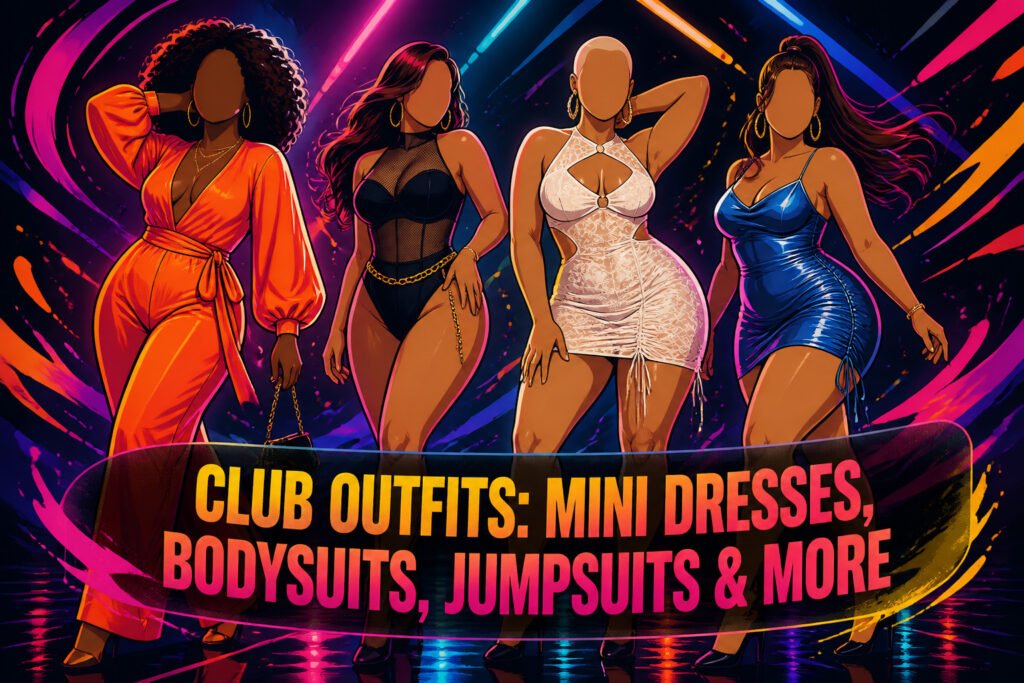
Club outfits are fitted silhouettes designed to hold their shape under strobe lights and through crowded dance floors, where loose fabric reads as accidental rather than intentional. The difference from standard night-out clothes is mechanical: a White Cut Out Lace Mini Dress signals deliberate venue-specific dressing that would feel out of place at a casual dinner. What unifies mini dresses, bodysuits, catsuits, and jumpsuits is not exposure level but construction that communicates intent, with fabrics like lined mesh and stretch blends that survive hours of body heat without riding up or needing adjustment.
What Counts as Club Attire
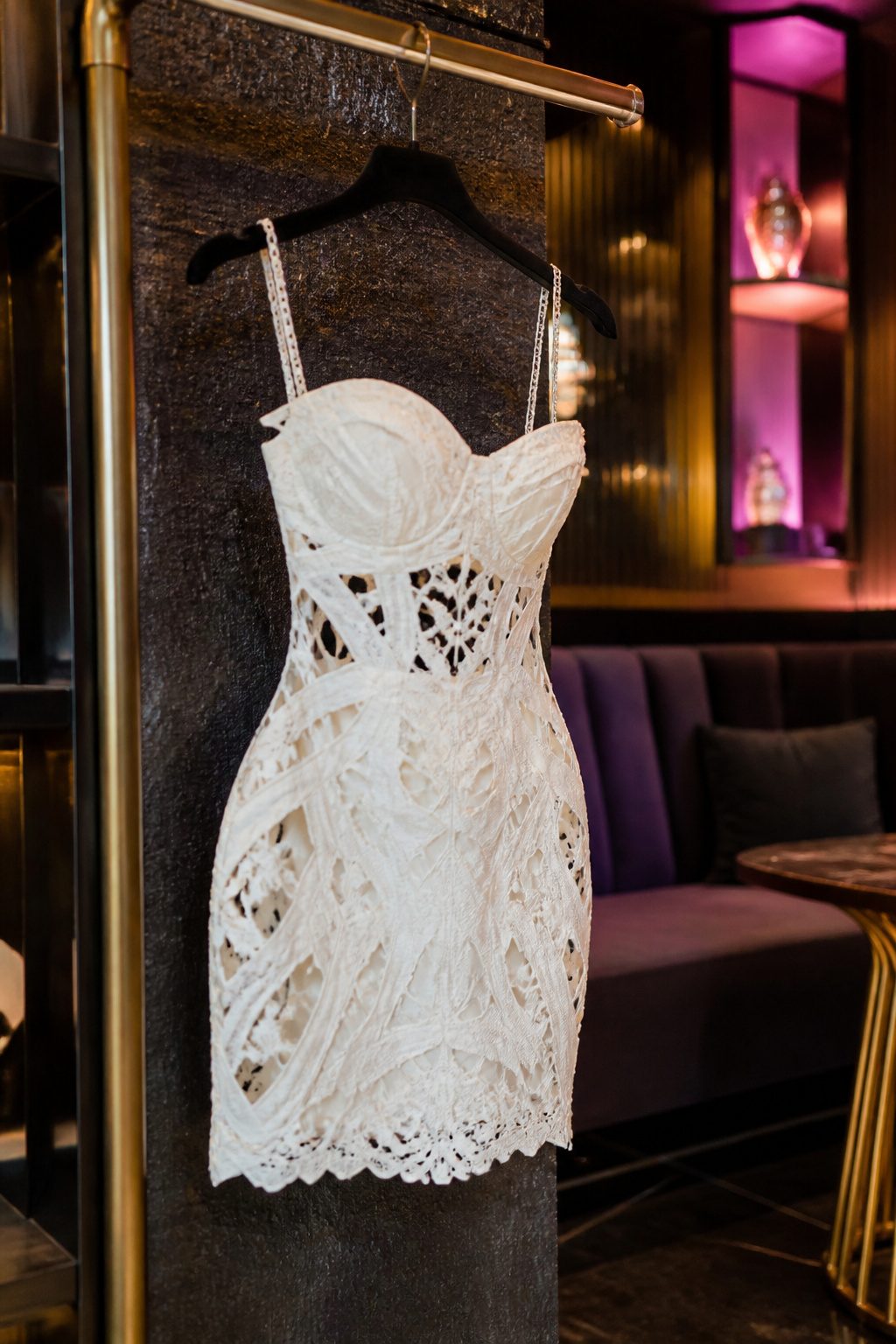
Club outfits are not simply "night out" clothes with a louder playlist. The difference is in the construction: a fitted silhouette that holds its shape under club lighting and through crowds, where anything loose reads as accidental rather than intentional. A White Cut Out Lace Mini Dress works here because the cut-outs and close fit signal deliberate dressing for a social, nightlife-specific occasion; the same dress worn to a casual dinner would feel overdressed in intent but underdressed in context.
The category covers mini dresses, bodysuits, co-ord sets, catsuits, jumpsuits, and statement costumes. Standard casual wear falls outside it because the fit and fabric signals do not align with nightlife expectations. The Black Cut Out Catsuit represents the full-coverage end of this spectrum, maintaining the same close fit through the torso and legs that a mini dress achieves through the skirt. What unifies these pieces is not exposure level but intentionality: each communicates that the wearer dressed for the venue rather than through it.
Mini Dresses
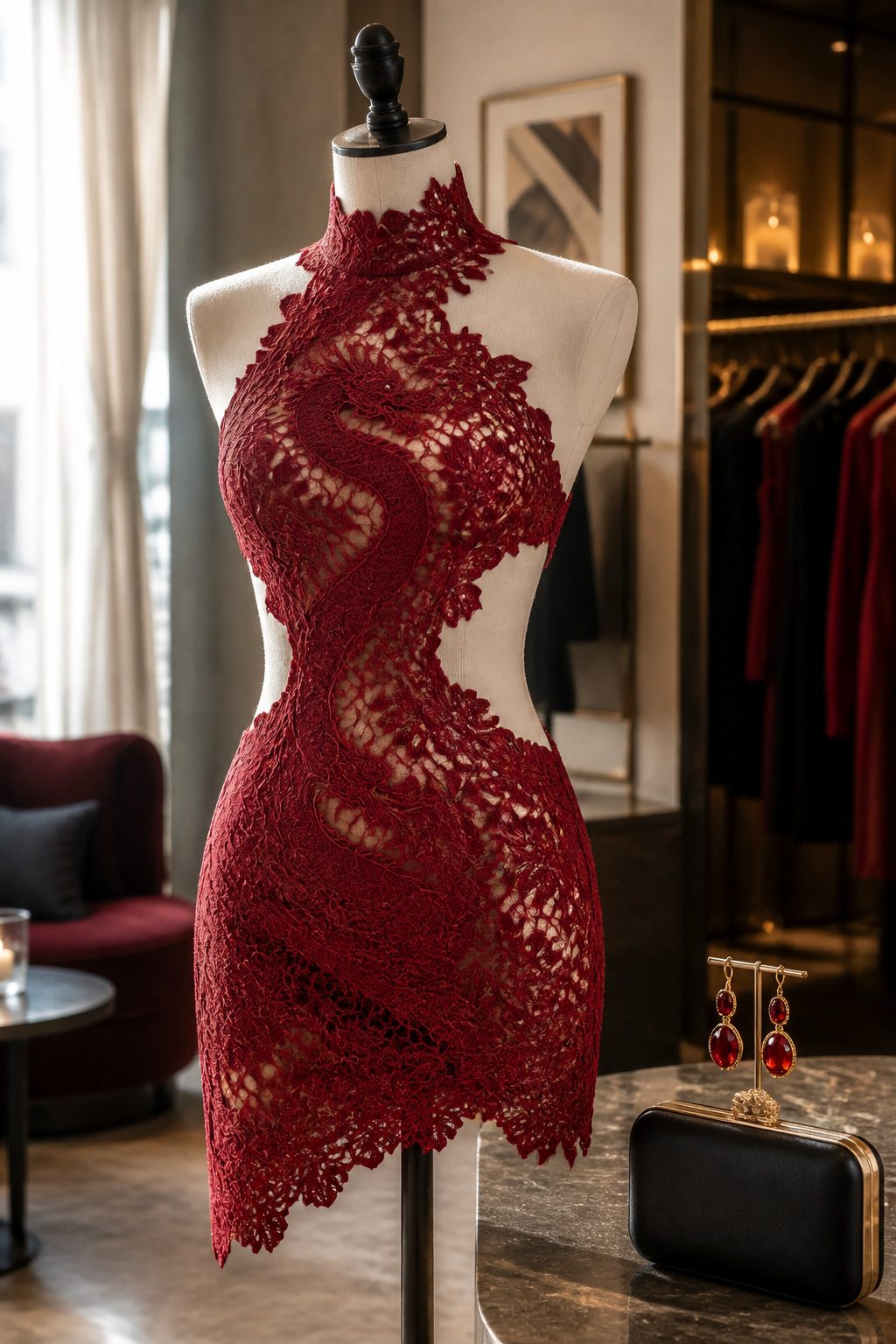
A mini dress is the most versatile silhouette across club types, and the reason is mechanical: a shorter hem leaves the leg line uninterrupted, which reads as height even when you are standing still. On a dance floor, that same hem gives the fabric room to move without tangling around your calves or catching on a stranger’s shoe. Heels pair cleanly with it because there is no skirt hem competing visually at the ankle; the eye travels straight from dress to shoe to floor.
The cut matters more than the embellishment. A cut-out mini dress in a heavier lace or lined mesh holds its shape through hours of body heat and movement, while thin unlined jersey will ride up and need adjusting by the second drink. The White Cut Out Lace Mini Dress at $90.99 and the Red Dragon Cut Out Mini Dress from $21.99 sit at opposite ends of that price spread, but both use structure rather than cling. For a long night, look for a lining that stops where the outer layer does; uneven lining lengths create a visible edge that scratches against tights or bare skin when you sit. Platform heels with a mini dress add the practical height without the pitch that ruins your arches by midnight, and a small clutch keeps the silhouette clean rather than breaking it with a crossbody strap.
Bodysuits
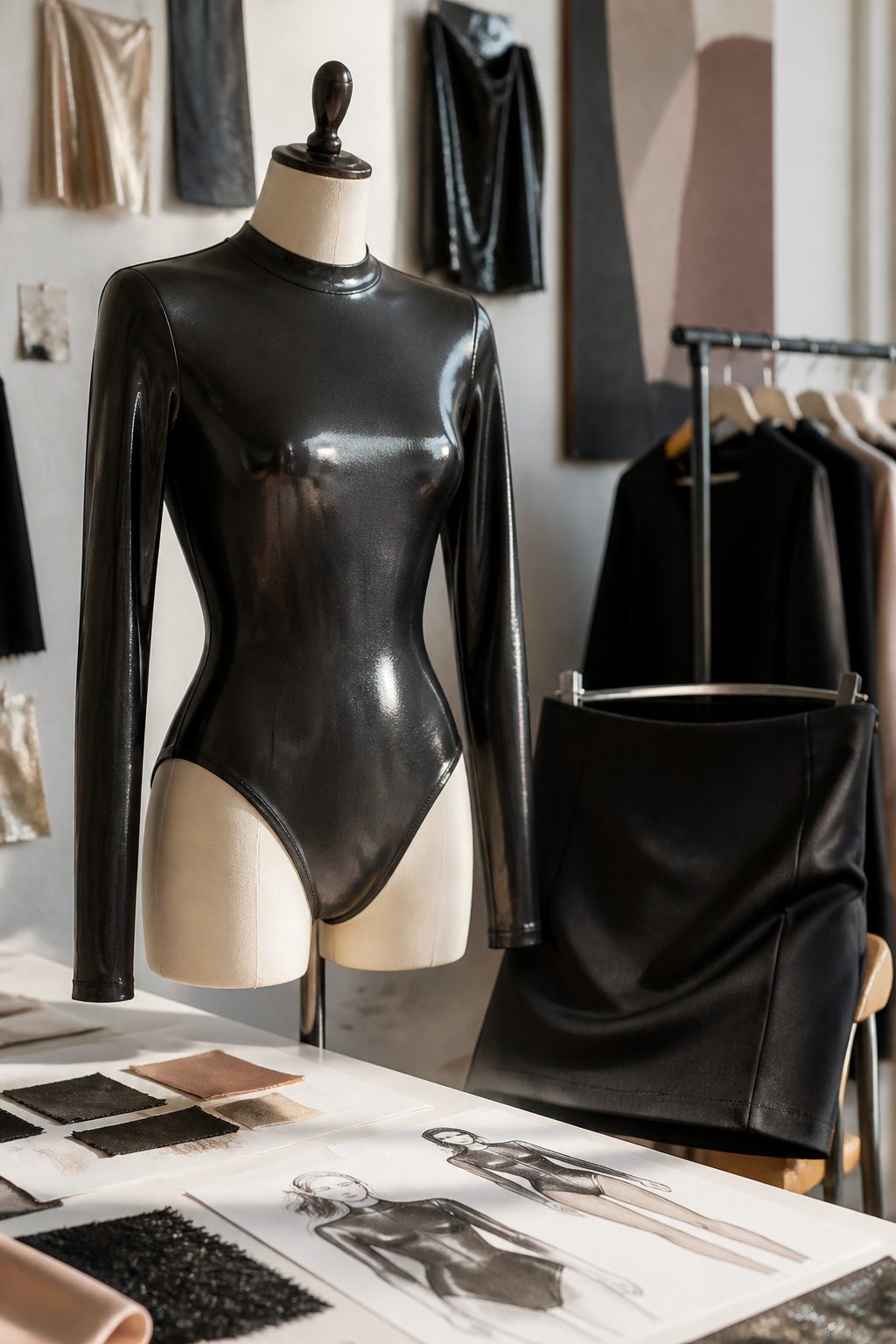
Fitted bodysuits in long-sleeve, sleeveless, or cut-out formats establish the upper-body silhouette for club outfits, and the no-ride-up factor is what makes them worth the bother on a dance floor. A regular camisole or tucked-in top works until it doesn’t, which is usually halfway through the first song when you’re pulling fabric back into place between moves. The bodysuit solves this by construction, snapping or fastening at the crotch so the hem stays put.
They function two ways: as a base layer under something sheer or open, or as the standalone top itself. The Black Mirror Long Sleeved Bodysuit sits at $98.99, while the Multiverse Traveler Cut Out Long Sleeved Bodysuit and Scorpio Spirit Long Sleeve Bodysuit offer variations in sleeve detail and neckline. For bottoms, mini skirts like the Black Mini Skirt with Ring Set keep the line clean, or fitted leggings such as the Black Marble Leggings Set carry the fitted theme through the leg. High-waisted pants work equally well, the waistband meeting the bodysuit’s lower edge without the bulk of a tucked shirt.
Co-ord Sets
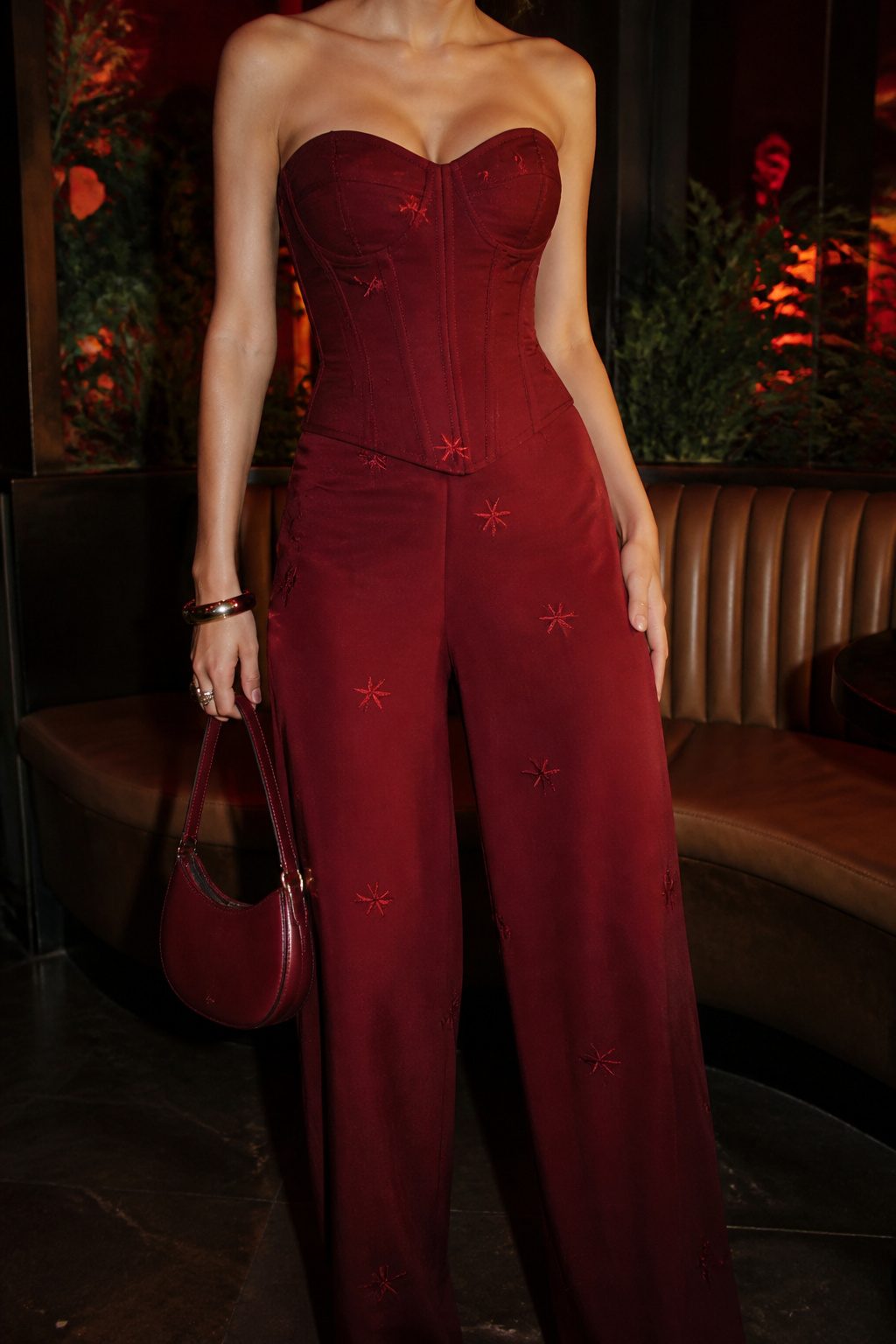
Co-ord sets solve the 11 PM problem neatly: the top and bottom are already matched, so you are not standing in front of a mirror wondering whether that skirt works with that bodice. The logic is a crop top paired with a skirt or shorts in the same fabric and color, which reads as intentional rather than thrown-together. At high-energy EDM nightclubs, bold printed pieces and statement full-body looks are the norm, and a matching set delivers exactly that impact without the mental load of building it piece by piece.
Corsets have become the cool-girl staple for a reason, as they work for every occasion—the club included. For your night out, I recommend opting for a corset with matching pants, a clutch and heels in contrasting hues, and a pair of rimless sunglasses to embrace the "in the club" energy.
The corset-and-matching-pants route, specifically the Rezek Studio Scarlet Star Corset with its Hustle Pant at $222, shows how this can skew dressy rather than casual. A second option from the same direction pairs a corset with a matching miniskirt; the I.AM.GIA Idez Corset with its Remini Skort at $110 sits lower on the price scale while keeping the same bad-girl energy through and through. Either way, the matching element is what saves you time and decision fatigue when you are already late.
Catsuits and Jumpsuits
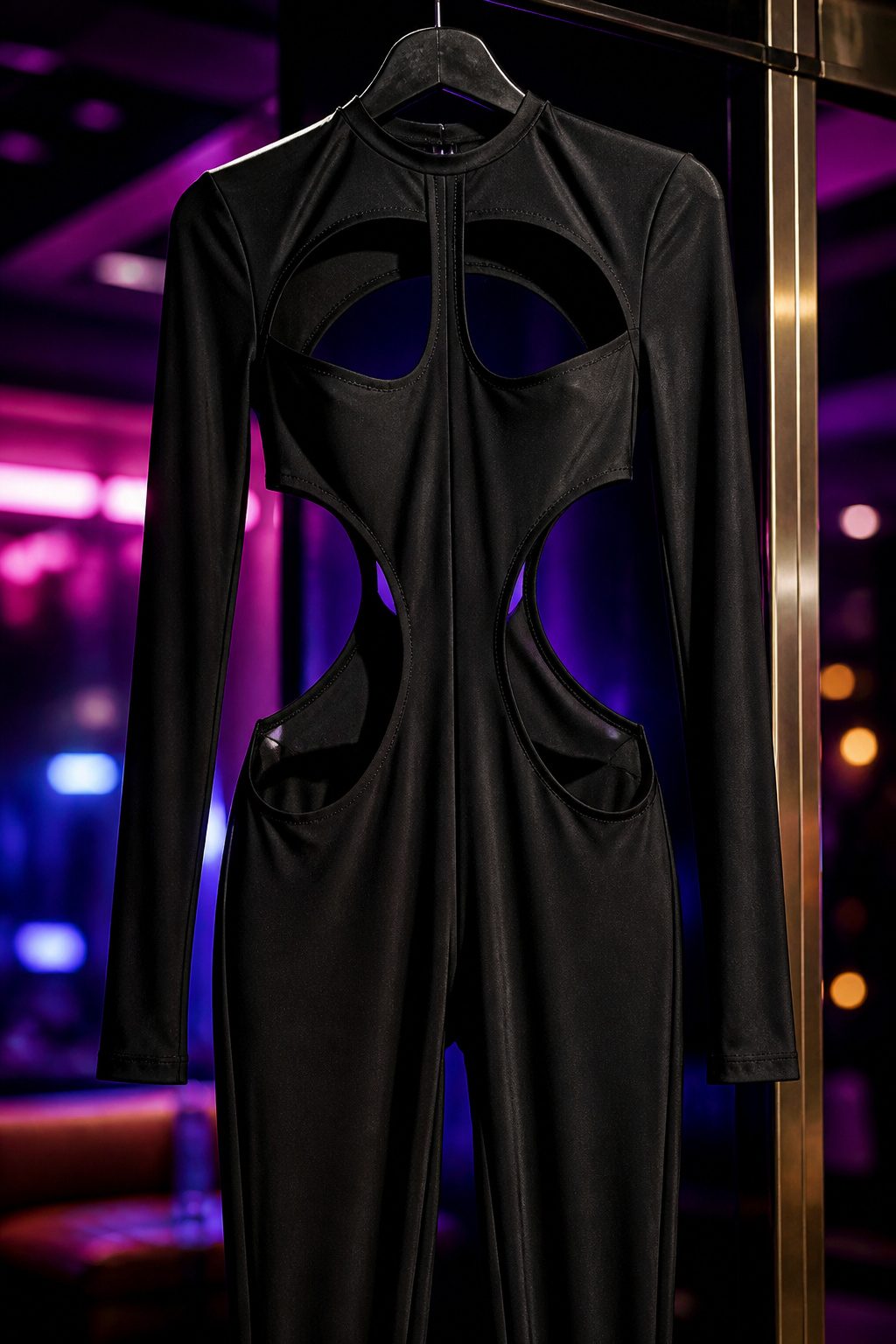
Black cut-out catsuits carry a specific kind of club energy that a standard bodysuit rarely matches. The full coverage reads dramatic from a distance, but up close the strategic openings keep it from feeling like a superhero costume. I have watched friends in them at high-energy spots, and the silhouette works because the fabric does the talking, not jewelry or layering.
Jumpsuits sit in a trickier space. The same wide-leg black jumpsuit that looks right at a lounge reads as office wear under strobe lights, usually because the fabric is matte and the cut is relaxed through the torso. Club versions tend to be satin, velvet, or heavily draped, with necklines lower or backs more open than anything you’d wear to a client meeting. The test is whether the piece needs a heel and bold earring to finish it, or whether it looks finished with flats and a blazer.
Both options share a logistical cost. Bathroom lines in club outfits are already slow; a catsuit or one-piece jumpsuit turns two minutes into a small project. Some women I know simply plan their drinking around this, which is information that belongs in the decision.
Statement Costumes
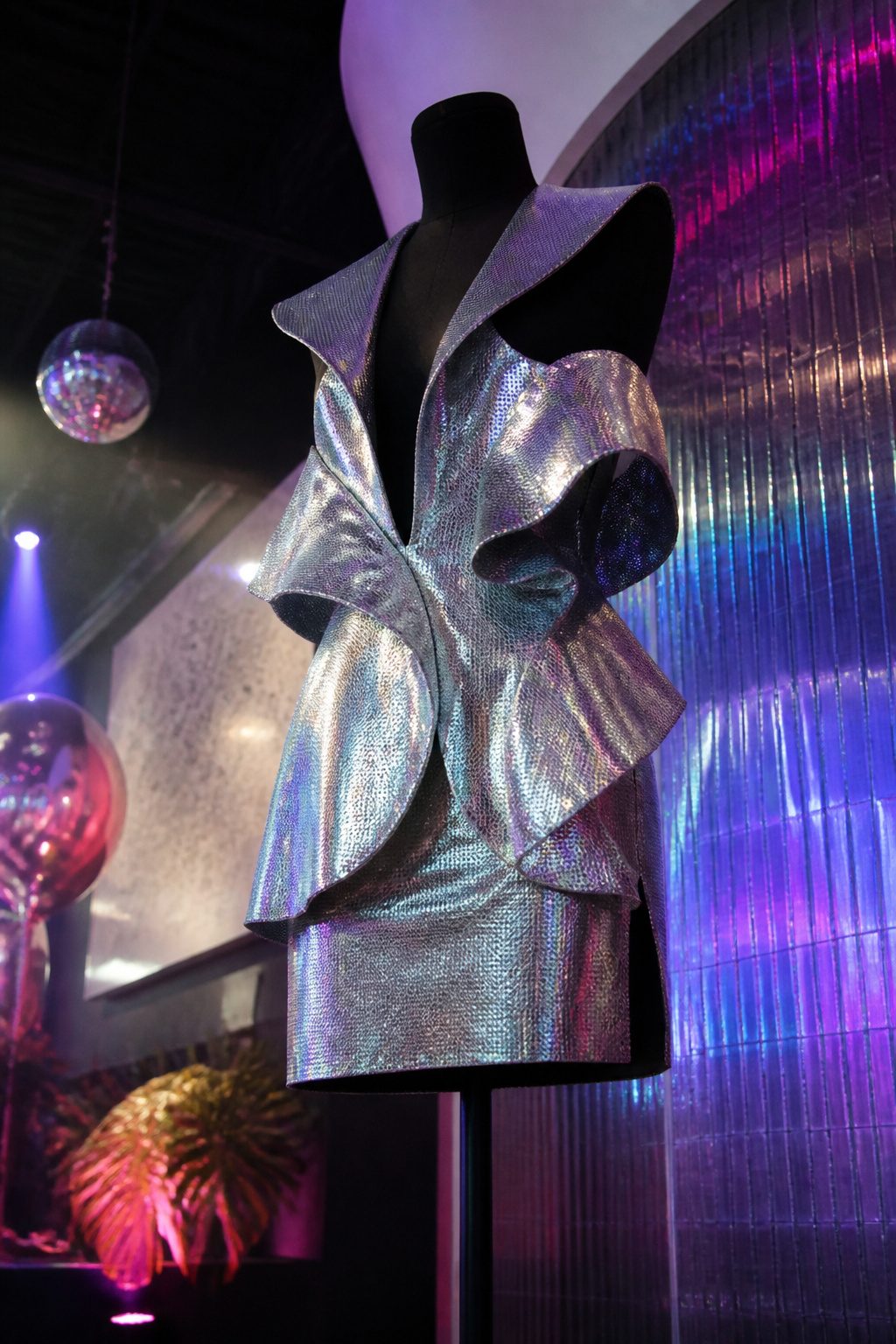
A statement costume goes further than dressy. It borrows from a theme, a decade, or a character, then pushes the silhouette or the details hard enough that people notice from across the room. Think structured shoulders, full latex, visible corsetry, or a headpiece that forces you to turn sideways through a doorway. The line between costume and outfit is intention: a metallic mini dress is dressy, but a metallic mini dress with a matching molded breastplate and thigh-high boots is a statement costume.
These pieces earn their space at themed nights, drag shows, Halloween-adjacent club events, and venues where the crowd treats dressing up as the main event. They fail elsewhere. Walking into a bottle-service lounge in full cyberpunk regalia reads as oblivious, not bold; the staff want understated luxury, not performance. The mistake is assuming that louder always wins. A statement costume only works where the room expects to be part of the spectacle.
Jeans With a Dressy Top
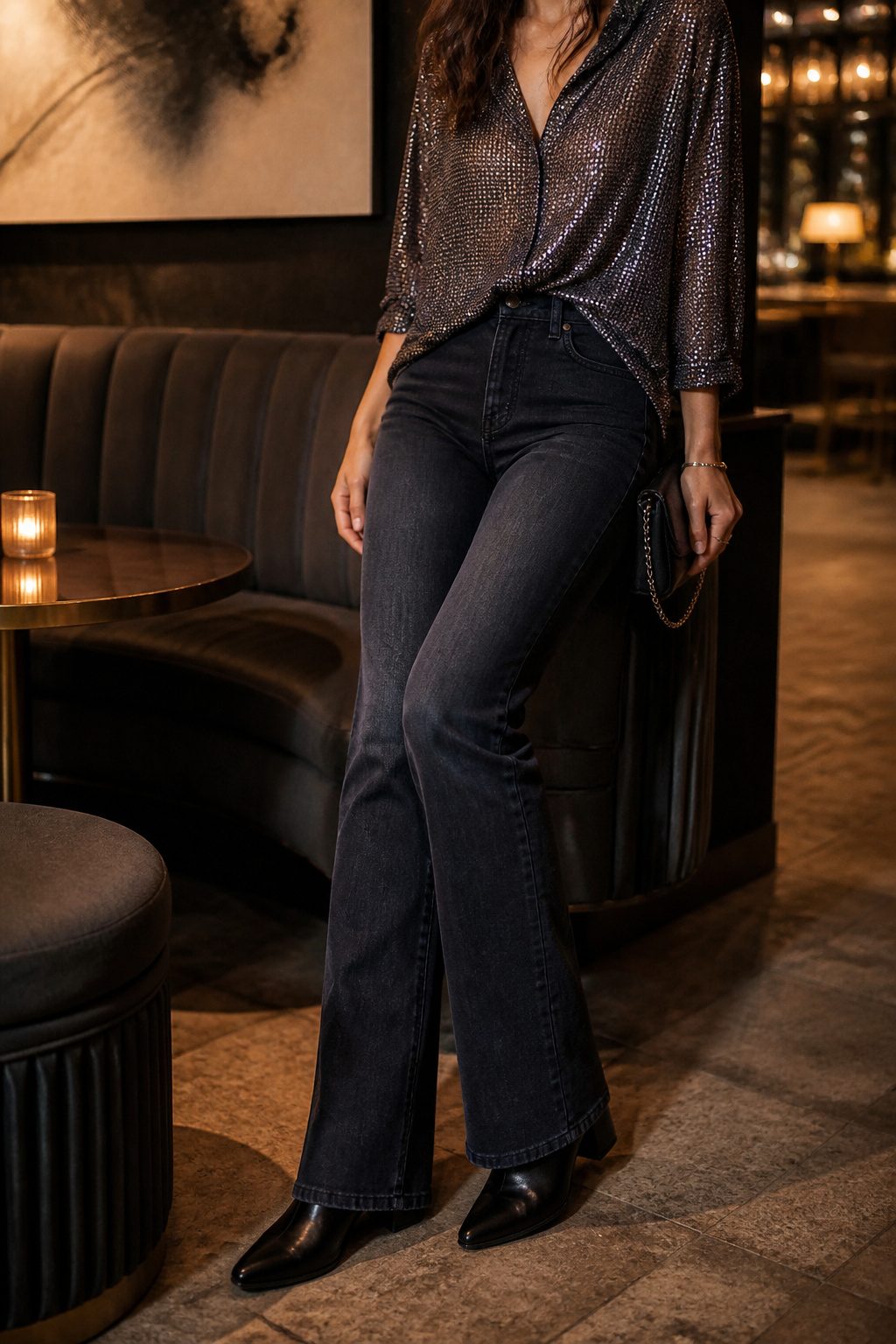
Dark wash jeans with a dressy top are the one club outfit formula that actually works from pieces already in most closets, though only at casual bars and mid-tier venues. Slim-fit or straight-leg cuts read as intentional; the top does the heavy lifting. A silk blouse, structured corset, or sequined jacket pulls the look across the line from bar casual to club appropriate, and heeled boots with polished accessories finish it. I have seen this exact pairing pass at relaxed spots where the door staff barely glance down from their list.
Upscale venues in cities like Miami or Las Vegas often list denim as restricted outright, and distressed or ripped jeans face even stricter scrutiny where clean dark denim might squeak through somewhere semi-formal. The only reliable move is confirming the dress code before committing to jeans as the foundation. When the venue allows it, the formula wins by being comfortable for hours of dancing without looking like you came straight from brunch.
What the Venue Dress Code Actually Says
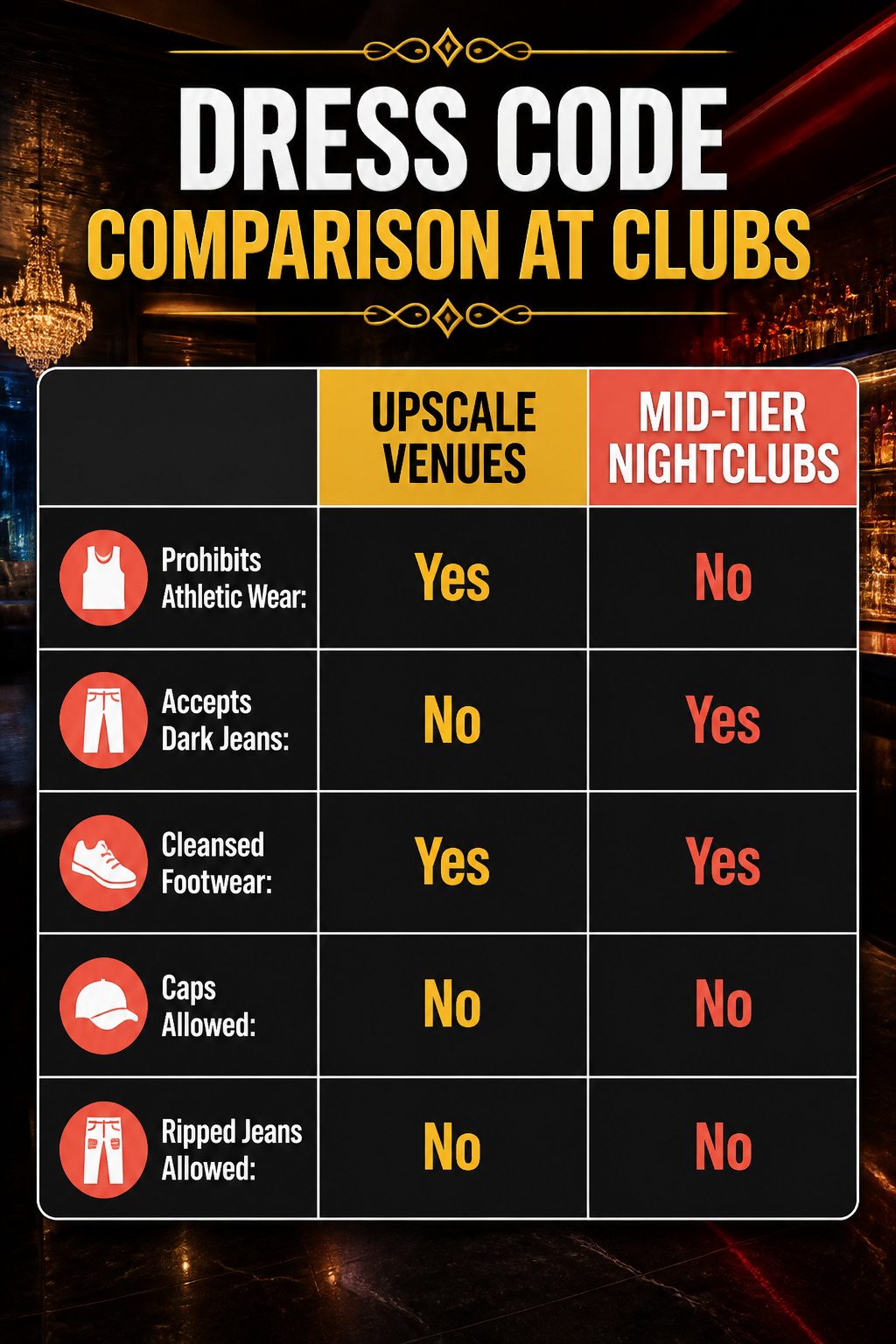
Upscale venues and bottle-service clubs in major cities enforce the strictest standards, prohibiting athletic wear, caps, ripped jeans, and casual trainers at the door. Mid-tier nightclubs usually accept dark jeans, fitted tops, and clean footwear but still reject sportswear. Casual bars with a nightlife component ask only that clothing is clean and presentable.
The dress code is enforced at the door, and non-compliance means entry refusal regardless of the hour. Checking the venue’s website or social media before leaving home confirms the specific standard. I learned this the hard way after watching a pair of perfectly styled ripped jeans get turned away in Miami; the restriction listed denim outright, not just distressed versions. High-end nightclubs in Las Vegas often do the same. Clean, unripped dark wash jeans paired with a silk blouse or structured corset top can pass in semi-formal settings, but only when the venue allows denim at all.
Footwear That Lasts the Night
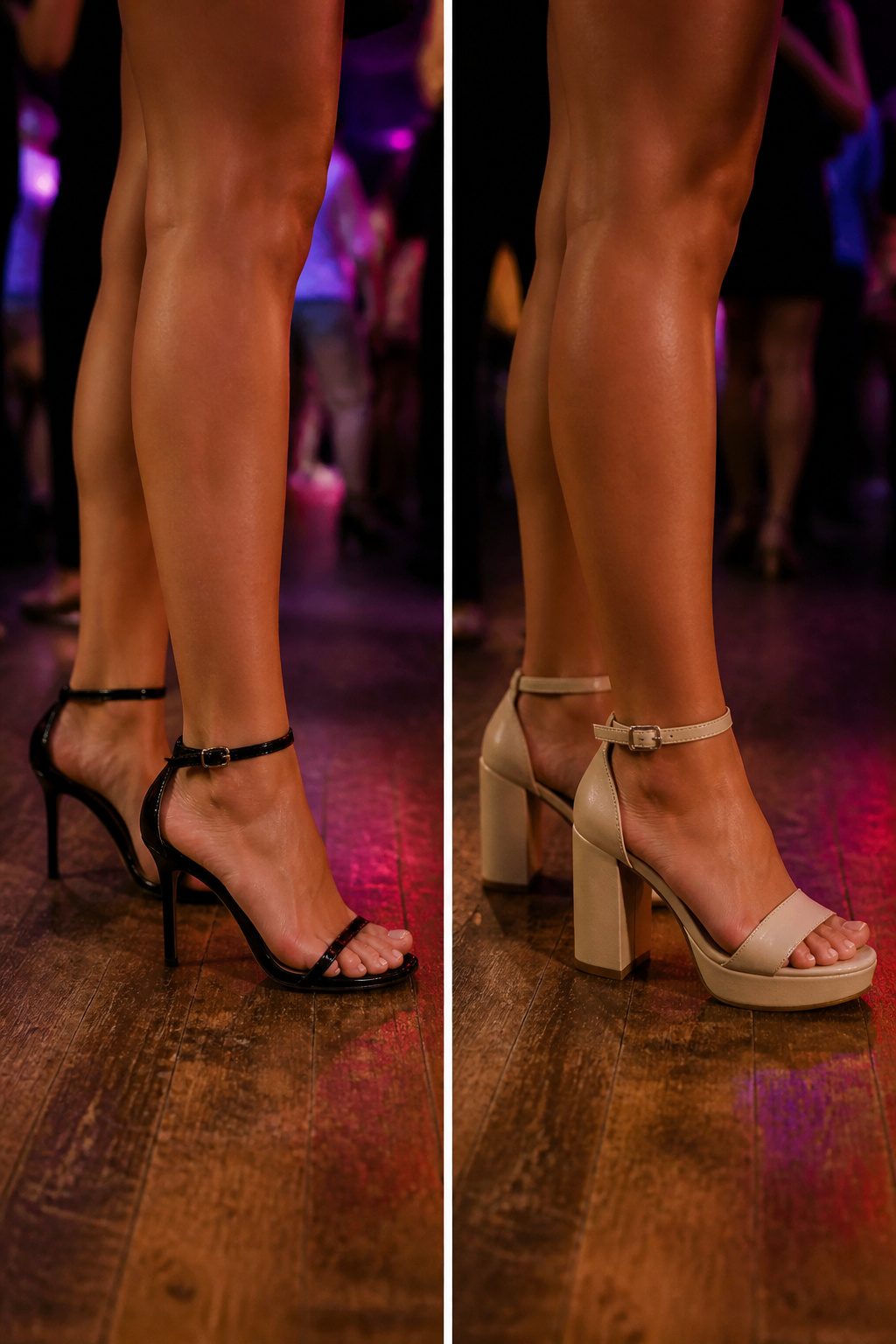
Block heels give you the widest margin for error after midnight, with enough surface area to keep you stable through a crowded dance floor and less pressure on the ball of the foot than a stiletto. Platform boots work the opposite way: the height is there, but the weight and stiffness make them better for a night of standing against a wall or slow swaying than actual dancing, and the bulk can throw off the line of a fitted mini dress. Strappy heels look the most deliberate with a bare-leg club outfit, though the thin straps dig in after a couple of hours and one wobbly step can leave a mark that lasts days. What convinced me, reading through how these pieces actually get used, is that the shoe has to match the kind of night you’re having, not just the outfit. A block heel with a bodysuit and jeans handles a bar with sticky floors; the strappy heel belongs to a booth reservation and a car waiting outside.
How I Check a Club Before I Dress
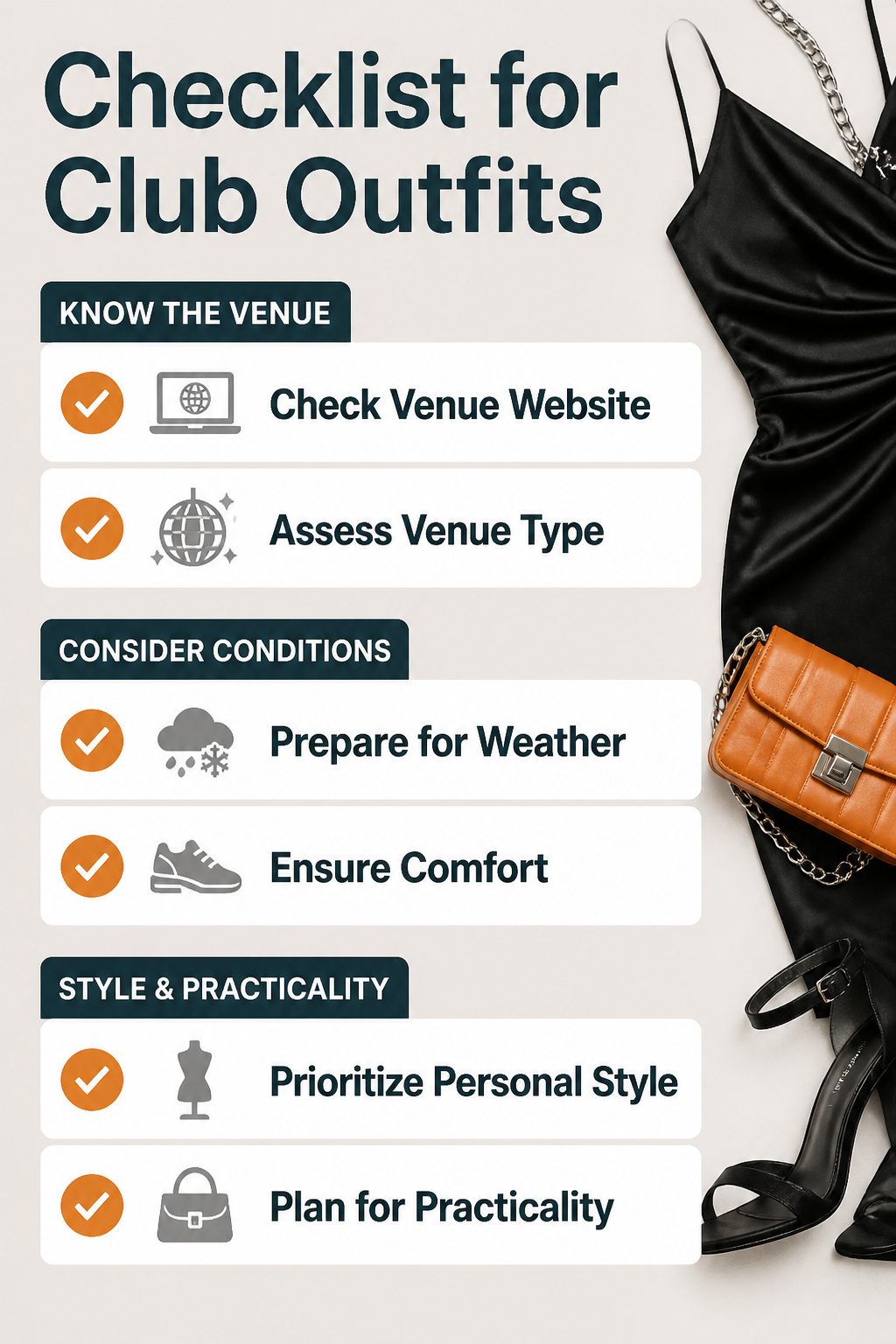
The club’s website is the first place I look, usually the day before. Dress codes live there, or they don’t, and either fact tells me something. An upscale lounge banning athletic wear and casual trainers needs a different base than a warehouse night that welcomes bolder rave-adjacent looks.
Venue type shapes everything after. A cocktail lounge pulls toward polished, refined pieces; an EDM space rewards expressive choices. I match the energy rather than fight it.
Weather decides outerwear and fabric. Outdoor venues or clubs in colder regions from November through February demand layering that complements without overwhelming the outfit. A jacket that works with the silhouette matters more than the one that merely keeps you warm.
Comfort is where I’ve learned the hard way. Four to six hours of standing and dancing means movement without constant adjustment. Tight waistbands, slipping straps, or poorly fitted shoes become the only thing I remember about the night.
Personal style wins over trend every time. Something that already feels natural reads as confidence under club lighting. Trendy pieces work best folded into a style that is already mine, not worn as a costume.
Practicality closes the list. A small bag limits accessory size. Pockets, secure closures, and fabrics that resist wrinkling under crowd conditions all factor into whether the outfit survives until last call.
When Rave Outfits Work and When They Do Not
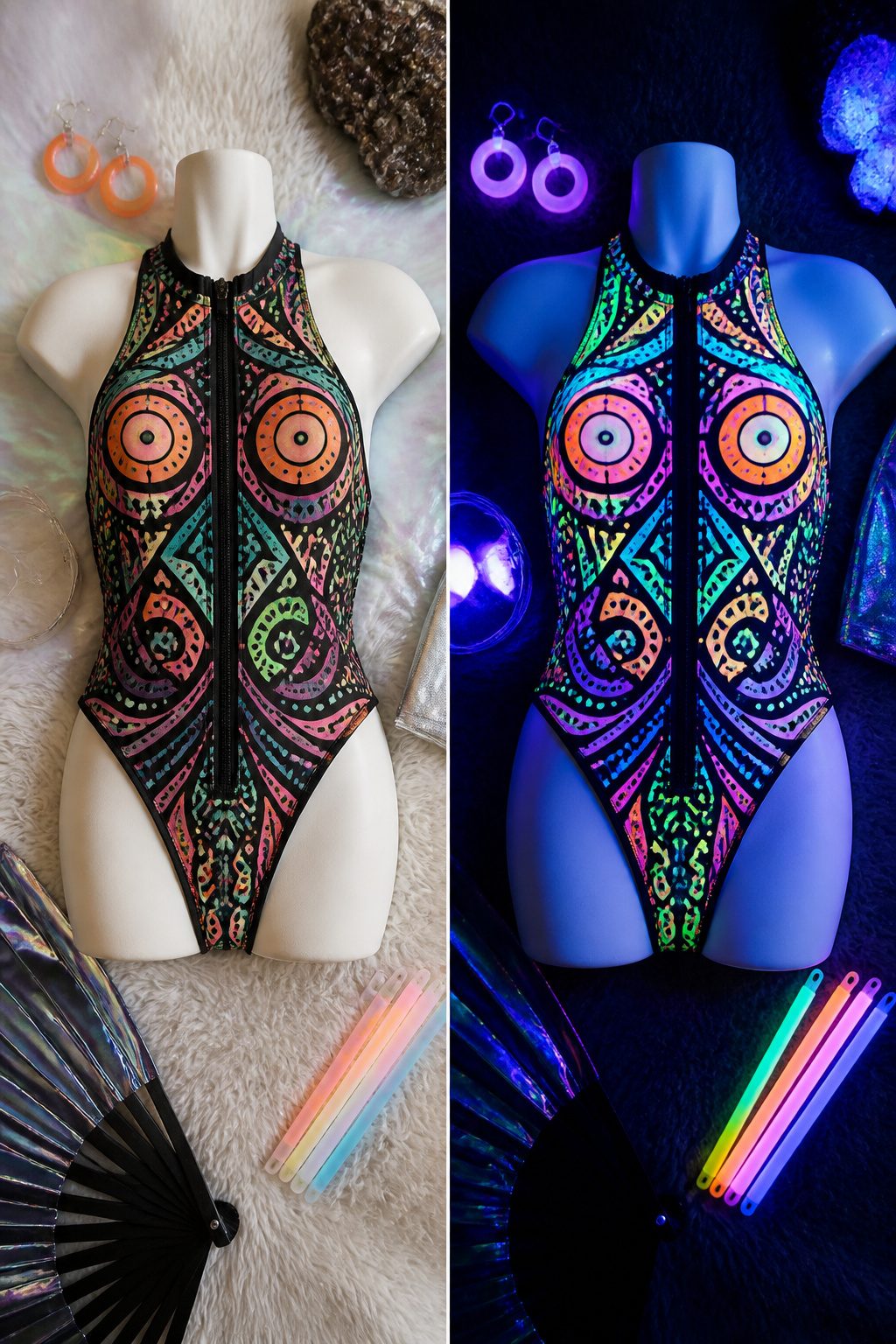
The gap between rave styling and standard club attire comes down to context, not just clothing. EDM-focused club nights and bass music events actively welcome rave-adjacent looks: bodysuits, co-ord sets, bold prints, UV-reactive pieces. These venues grew out of festival culture, so the aesthetic fits naturally. A fitted rave bodysuit or sleek co-ord set paired with heeled footwear and minimal accessories crosses over cleanly into most mid-tier clubs without raising eyebrows at the door.
Upscale nightclubs and bottle-service lounges are a different story. Elaborate accessories, neon colors, and costume elements read as too casual or themed for their stricter dress codes. The same bodysuit that works at a warehouse rave becomes a problem when security is checking for "elegant" or "dress to impress." The visual shorthand is easy to spot: rave styling leans maximal and playful, standard club attire leans polished and restrained. One celebrates standing out; the other rewards fitting in.
Fabrics That Move With You
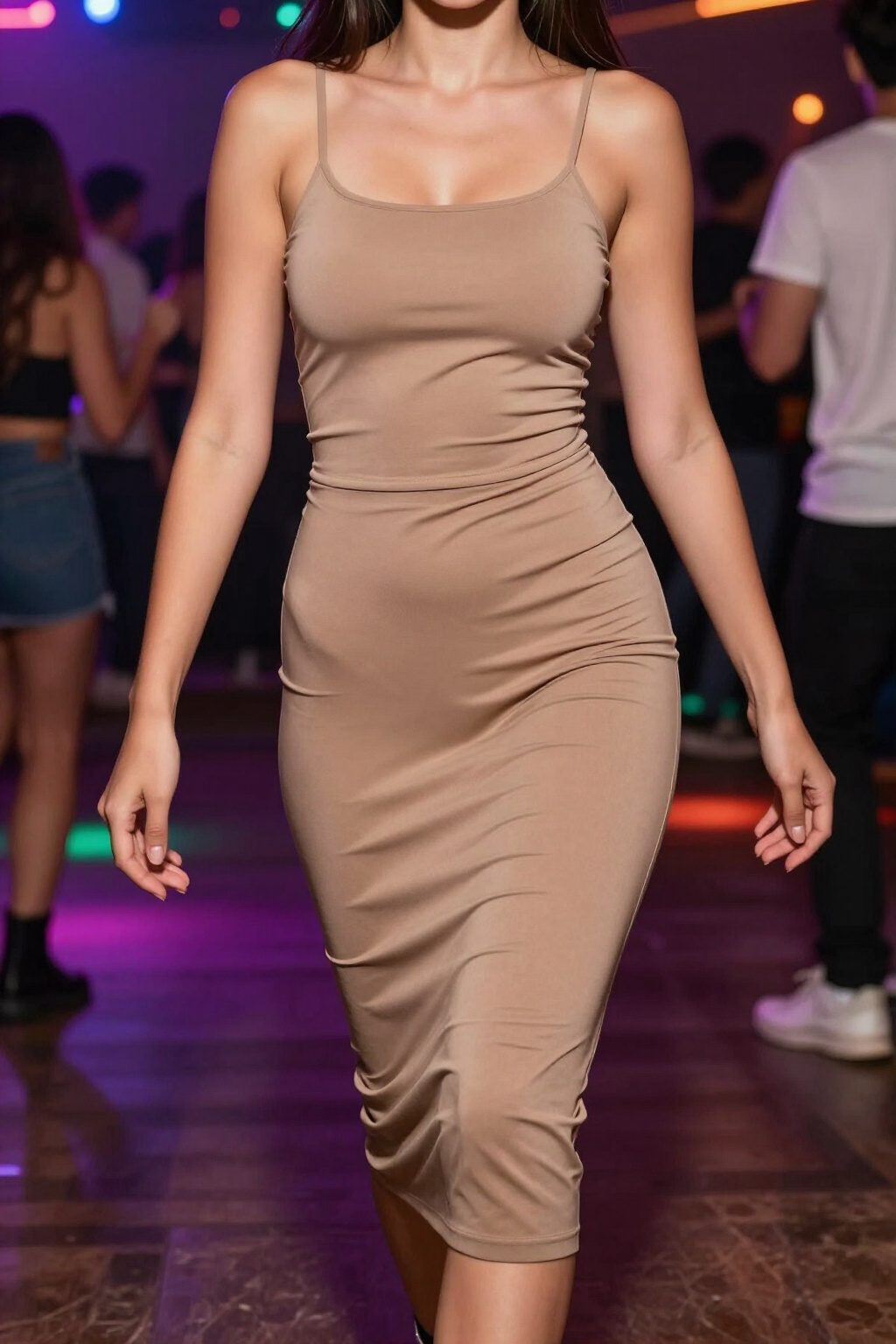
Stretch-blend fabrics change the whole night. Spandex, elastane-blend, or mesh bases move with your body instead of against it, and rigid fabrics start pinching somewhere around hour two on a packed floor. I learned to check this in the fitting room: arms straight up, a bend at the waist, a quick twist. If something pulls or rides, it stays on the rack. A well-fitting simple silhouette beats a trend piece that fights you every time. The cut matters more than the label, and full range of motion is the test that actually counts.
Frequently Asked Questions
What do people wear to a club?
People wear fitted mini dresses, fitted bodysuits, co-ord sets, catsuits, and jumpsuits to a club. Jeans with a dressy top work at casual bars and mid-tier venues, while high-energy EDM clubs favor bold prints and cut-out designs. Upscale lounges call for polished mini dresses and tailored sets in neutral or jewel tones instead of rave-adjacent styles.
What is considered club attire?
Club attire means clothing selected specifically for nightlife, with intentional styling, elevated fabrics, and a fit that reads as dressed-up in a social setting. Mini dresses with cut-out detailing, fitted long-sleeve bodysuits, catsuits, co-ord sets, and statement jumpsuits all qualify. Standard casual wear like oversized t-shirts, athletic shorts, and flip-flops falls outside the category because the construction and fit do not match nightlife expectations.
How do you dress for a club night out?
Check the club’s website for dress code details, then choose an outfit that matches the venue’s energy rather than fighting it. A cocktail lounge calls for polished, refined pieces; an EDM space rewards bolder, more expressive choices. Finish with footwear that matches your actual plans for the night, not just the outfit, and keep accessories minimal so the silhouette stays clean.
Can you wear jeans to a club?
Yes, but only at casual bars and mid-tier venues, and only if the dress code allows denim at all. Dark wash, slim-fit or straight-leg jeans with a silk blouse, structured corset, or sequined jacket can cross from bar casual to club appropriate. Upscale venues in Miami or Las Vegas often ban denim outright, so confirming the dress code before leaving home is the only reliable move.
What are trending club outfit ideas and styles?
Trending styles include all-black minimal looks for house and techno nights, cut-out designs in heavier lace or lined mesh, and UV-reactive pieces at EDM events. Corset-and-matching-pants sets bring a dressy, polished energy, while statement costumes with structured shoulders or visible corsetry work for themed nights and drag shows. The common thread is intentionality: each piece signals deliberate dressing for the venue rather than passing through it.