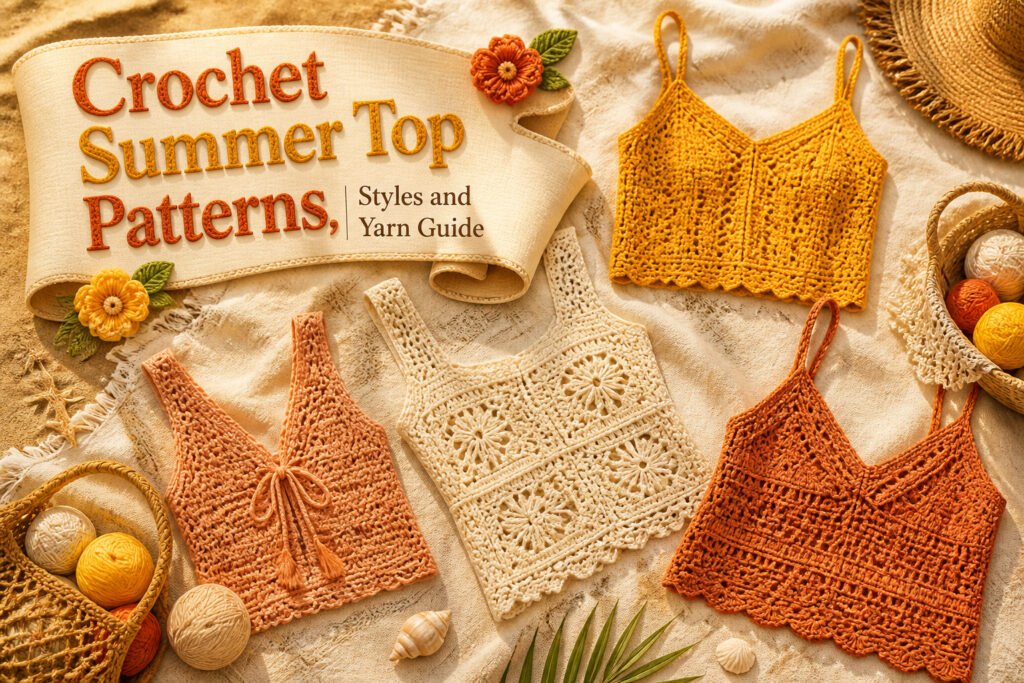
Handmade summer tops built from simple crochet rectangles work in July heat only when the open stitches are matched to fiber and tension, because that same approachable construction leaves all shaping to your gauge and yarn choice.
Sport weight cotton on a 4 mm hook is the detail that keeps lace from sagging into a tangle by noon.
Easy Breezy Summer Top
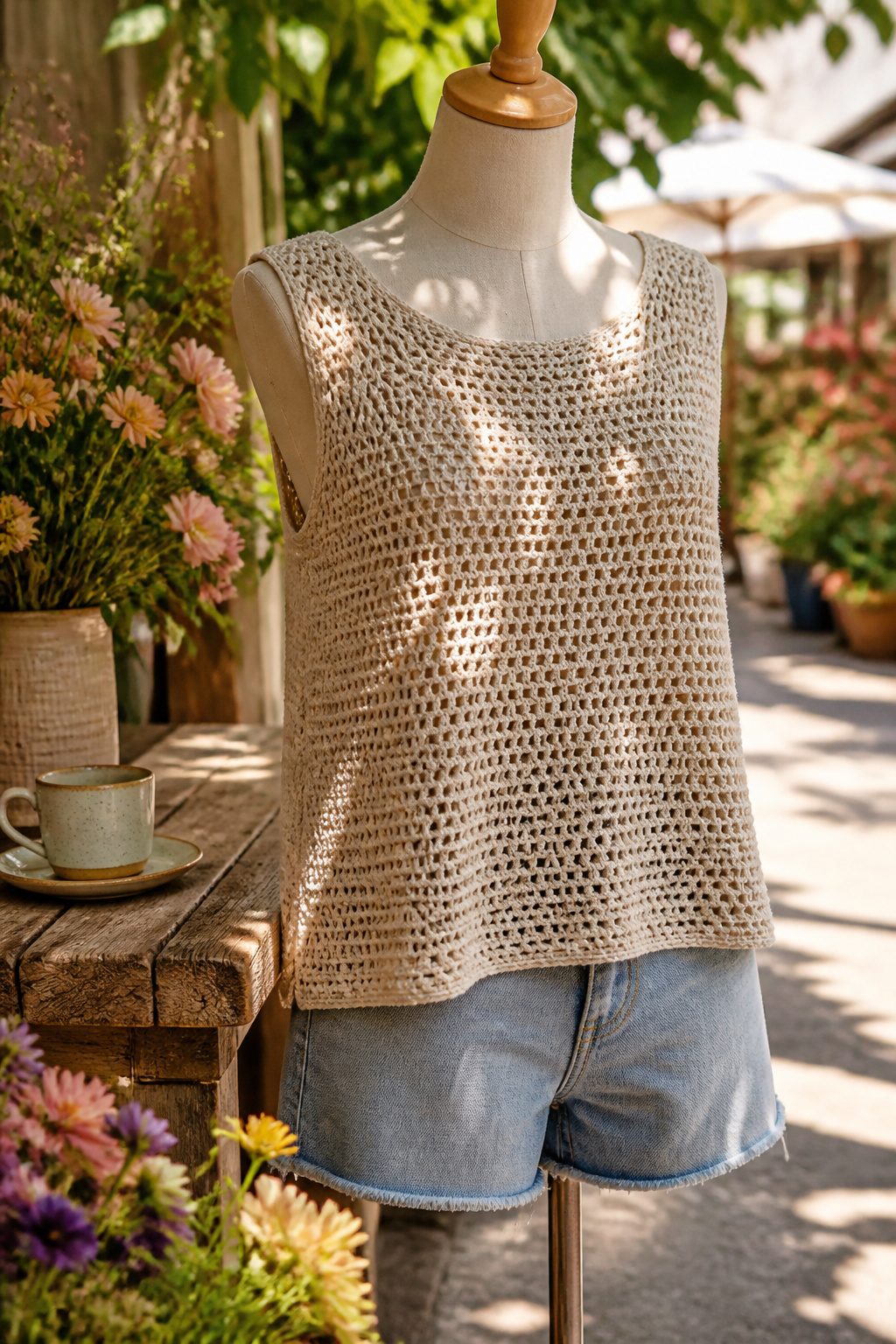
The Easy Breezy Summer Top builds from two rectangles, which means no shaping to wrestle with and no armhole math to get wrong. The pattern runs from XS to 5X, so the fit question becomes which finished measurement lands where you want it, hip-skimming or cropped.
For yarn, sport weight cotton sits in the sweet spot for warm weather: lighter than worsted, heavier than lace, with enough body that the fabric does not sag after an afternoon outside. Some makers reach for #2 sport weight specifically, though DK cotton substitutes cleanly if that is what your stash holds.
Construction stays simple. Panels work up in basic stitches, double crochet and half double crochet doing most of the fabric building, then seaming at the sides and shoulders finishes the shape. The rectangle approach leaves the drape to your tension and your yarn choice, not to any built-in shaping.
Lacy Summer Top
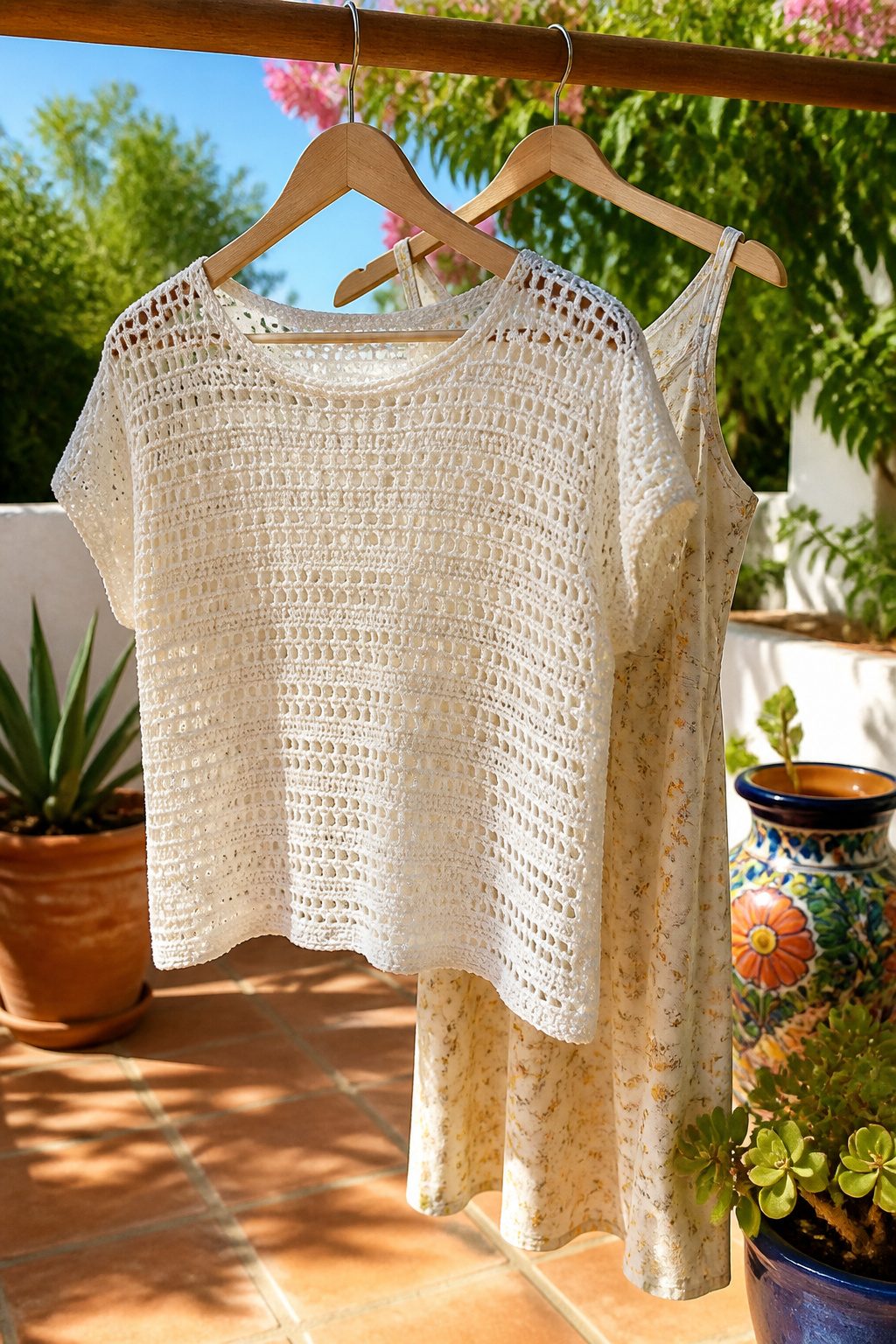
Open stitches are what make a lacy summer top worth the effort in July heat. Lace stitches create the gaps that let air move through the fabric itself, so the garment works almost like a screen rather than a blanket against your skin. The pattern from KnitcroAddict uses this logic directly, built in sizes XS through XXL with a #2 sport weight cotton that keeps the drape light. Cotton handles moisture without turning clammy, which matters more than softness once the temperature passes eighty degrees. Bamboo and linen carry the same advantage, and both soften further after a few washes without losing their structure. The note I keep in mind is that breathability only helps if the yarn itself feels right against bare shoulders; a stiff or heavily plied fiber turns those open gaps into irritation points rather than vents. Sport weight at a 4 mm hook gives the fabric enough body to hold its shape through a day of wear without collapsing into tangles.
Boho Crochet Top
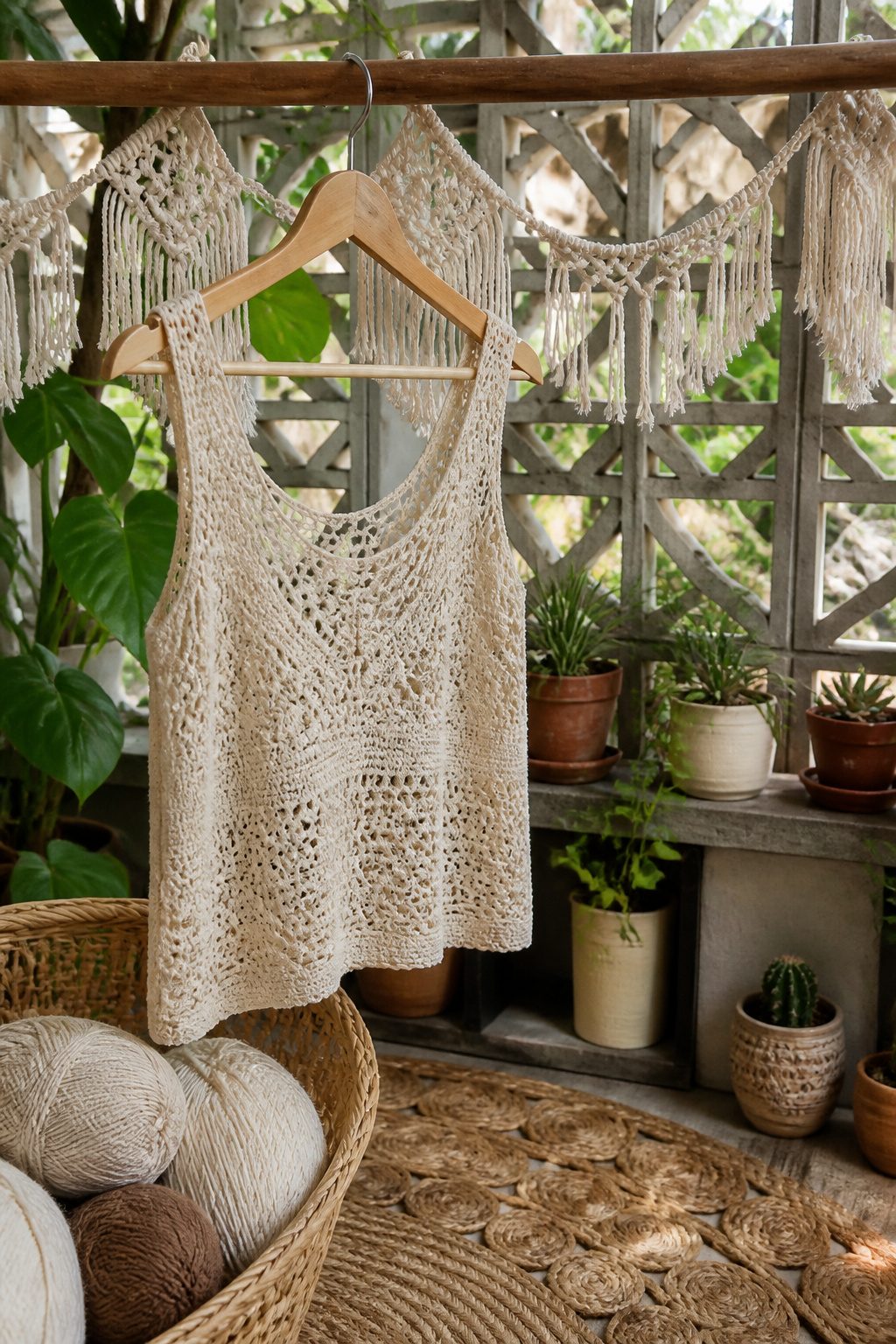
Mesh and lace stitches are what make a boho crochet top wearable in actual summer heat, not just photogenic on a hanger. The Haven Tee pattern works two long rectangles side to side with extended stitches on a large hook, and that open construction is the whole point: air moves through the fabric instead of trapping it against your skin.
Simple shapes keep this style approachable. Most boho patterns rely on basic rectangles with minimal shaping, so the stitch itself does the visual work. The Haven Tee is listed as beginner-friendly for exactly this reason; the oversized fit forgives small errors in sizing.
Gauge still matters even with that relaxed silhouette. One pattern specifies 18 dc x 8.5 rows in stitch pattern = 4 inches, and skipping the swatch here means a top that balloons past the intended drape or pulls tight across the shoulders. The mesh looks forgiving, but the math underneath is not.
Renea Top
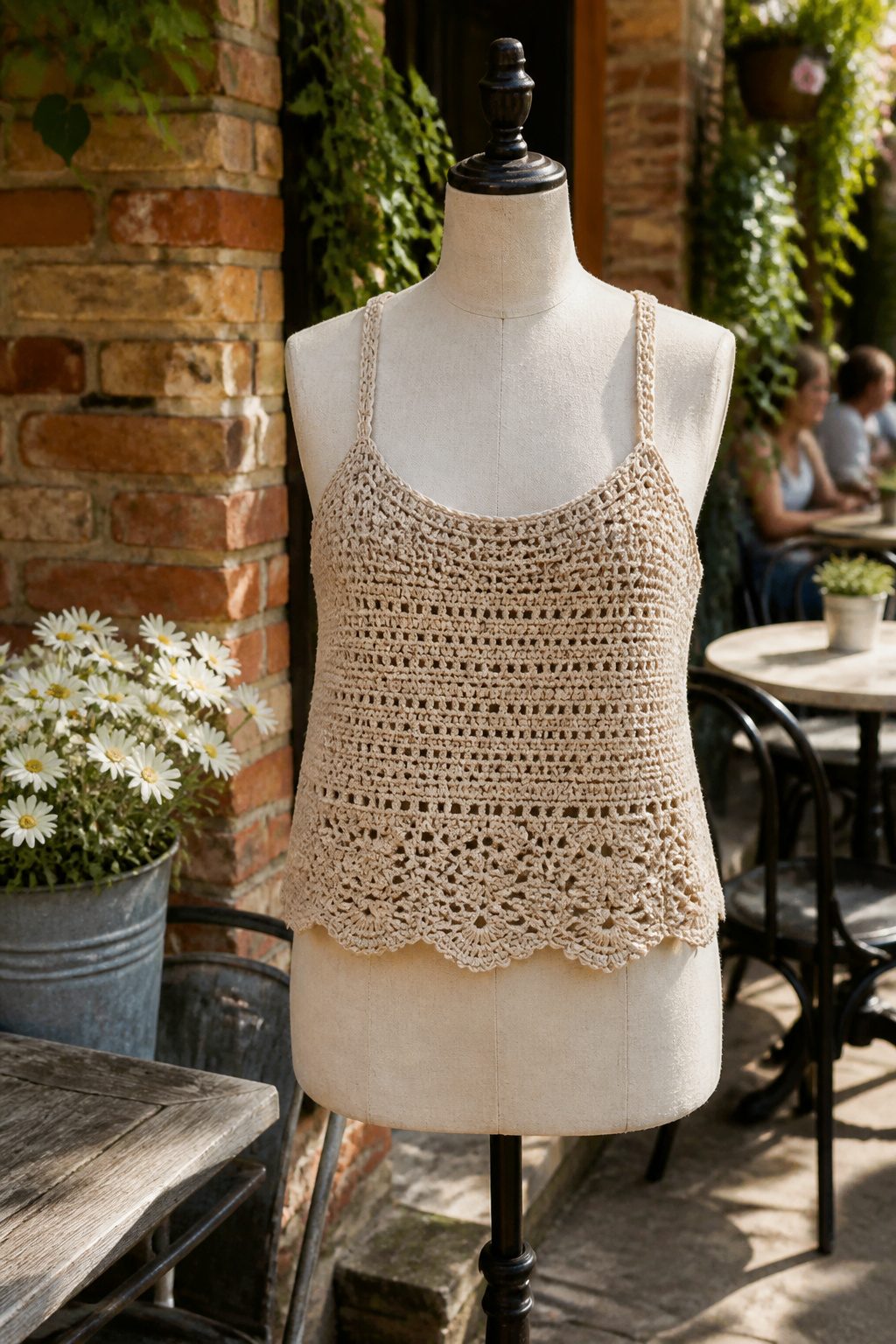
The Renea Top runs from XS to 4XL and works up in DK-weight yarn with a 4.00 mm hook, which puts it in the sweet spot for a summer project that does not demand a special trip to the yarn shop. Hayhay Crochet designed this one with adjustable length on both the body and the straps, plus an optional scallop edge, so the finished piece can sit at cropped length over a high-waist skirt or drop longer for tucking into trousers. That flexibility matters if you are building a warm-weather wardrobe from a small set of pieces rather than chasing one-wear trends.
The construction is straightforward half-double crochet with foundation rows, and the gauge sits at 16 stitches and 14 rows across a 4-inch square. For women in that 25–44 range who are buying less but buying better, this kind of pattern pays off because the yarn requirement stays modest, two to four skeins depending on size, and the silhouette is clean enough to layer under a blazer when the office AC kicks in. The scallop detailing can stay or go, which keeps the top from reading too handmade-crafty if that is not your mood. I would skip the scallops for a piece meant to pair with linen trousers and keep them for weekend wear with denim shorts.
Kahe Kai Top
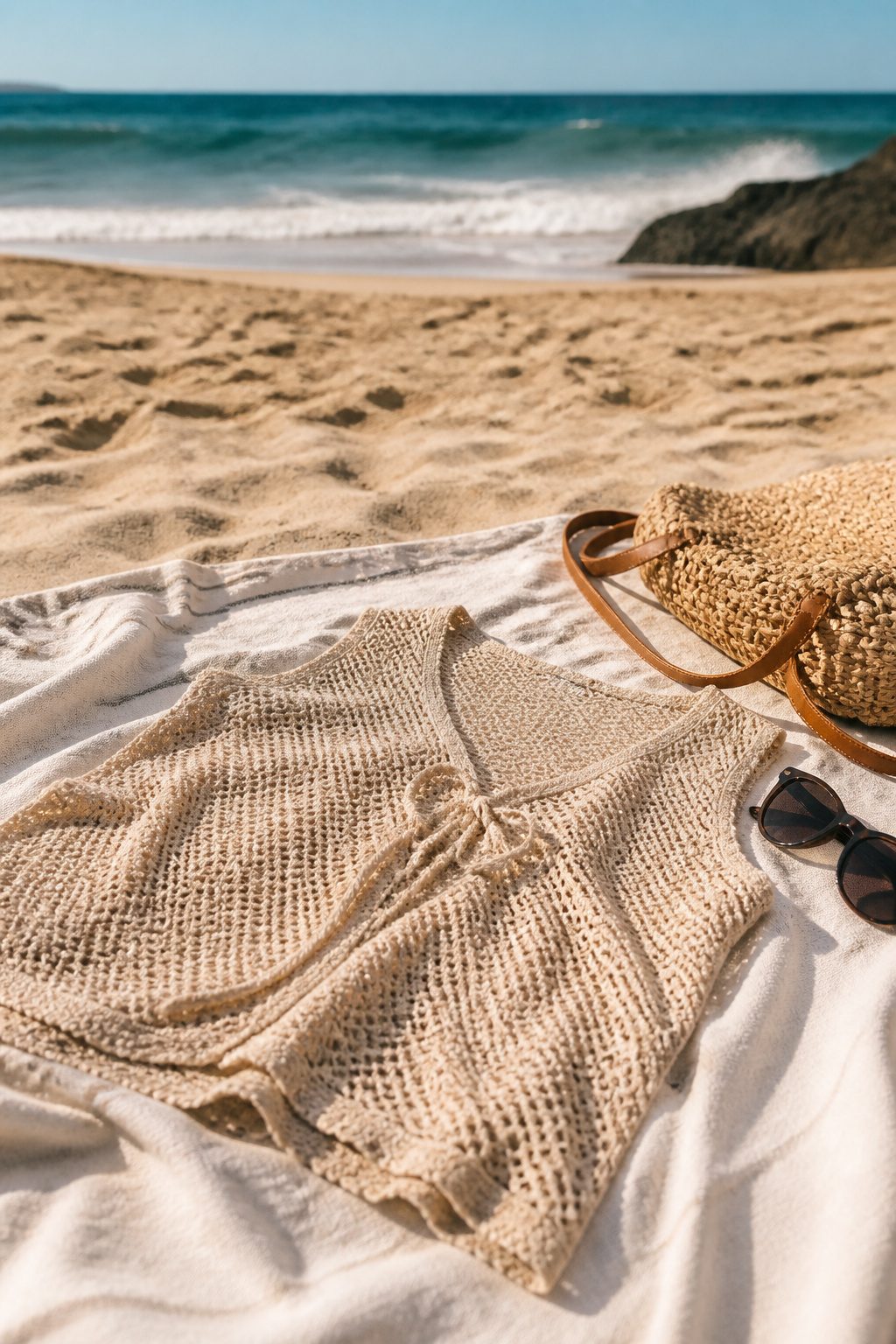
The Kahe Kai Top works as a beginner-friendly beach cover-up built from one continuous piece with simple stitches and easy row repeats throughout. Sizes run XS through 4X, which matters more than it might seem: the relaxed, boho silhouette needs that range to drape correctly without swimming in fabric or pulling at the shoulders.
Construction from a single piece means no seaming panels together later, a relief in summer humidity when wool or cotton yarn sticks to damp hands. The sources do not specify exact stitch names, but the emphasis on simplicity and repetition suggests basic stitches like single or double crochet rather than textured shells or post stitches that trap heat against the skin.
For yarn choice, the pattern’s beach-cover-up purpose points toward breathable plant fibers: cotton, linen, or a blend with rayon for drape. These stay cooler than acrylic against sun-warmed skin and soften with washing rather than pilling. A lighter fingering or sport weight would preserve the open, airy quality that makes this wearable from the pool to lunch without a complete change.
Harper Tee
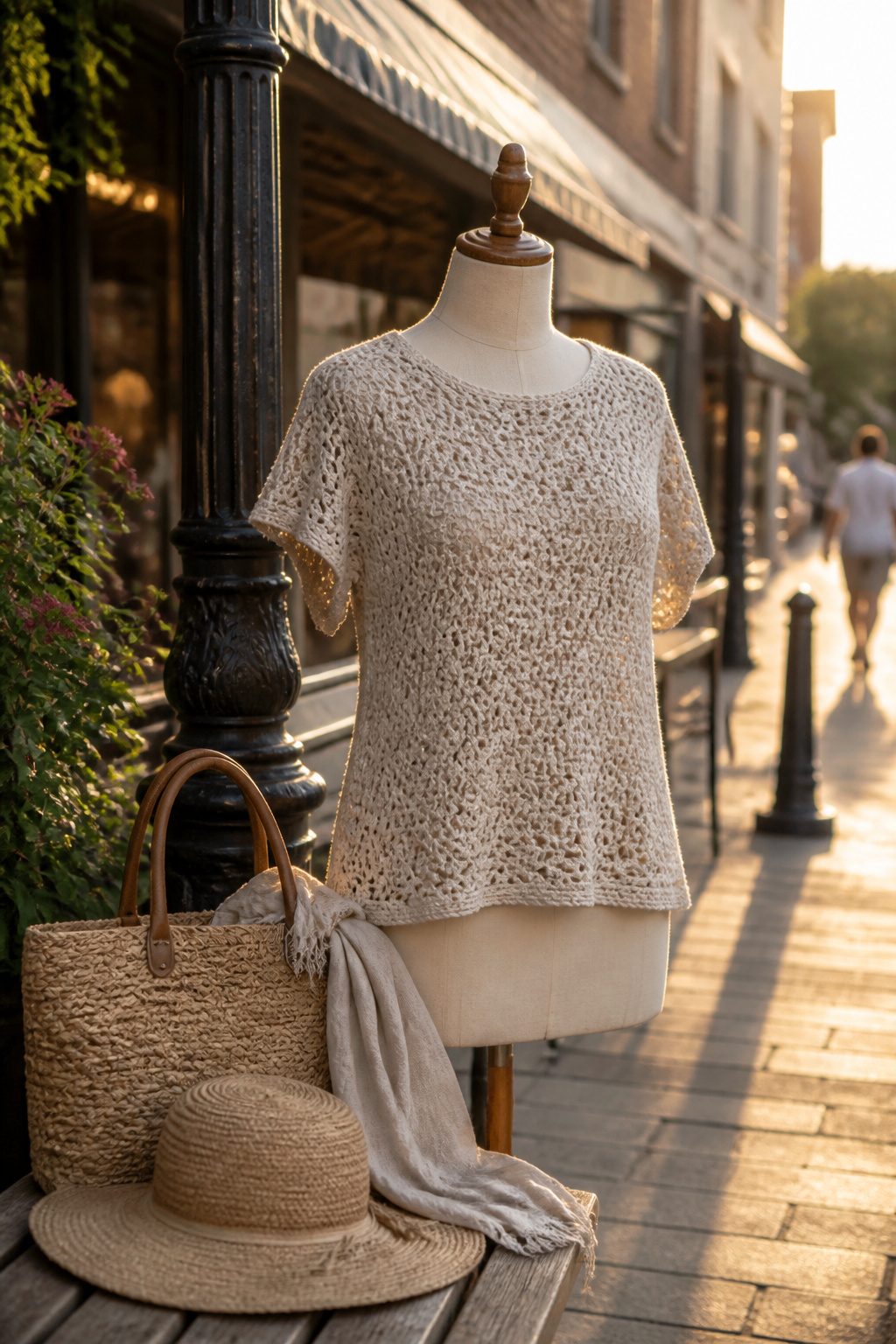
The Harper Tee is built from two flat "T" shaped panels that get seamed together at the end, which keeps the construction straightforward enough for someone picking up their first garment project. Simple stitches carry the whole piece, so you are not wrestling with texture changes or shaping math while you are still learning how a summer top should hang.
Cotton or a cotton blend is the right call here for softness and drape. The fabric needs to feel good against sun-warmed skin and fall cleanly without turning stiff. A pure cotton gives structure; a blend with something like bamboo or modal adds a little more fluid movement through the body.
The pattern comes in three lengths: crop, hip, and tunic. That range is useful, but length is only part of the fit story. Before you start any panel, check your actual measurements against the finished dimensions. Crochet stretches differently on the body than it lies on the table, and a "T" shaped seam construction does not forgive the way a shaped armhole might. Measure twice, account for the drape your chosen yarn will give, and seam only once.
Aurelia Top
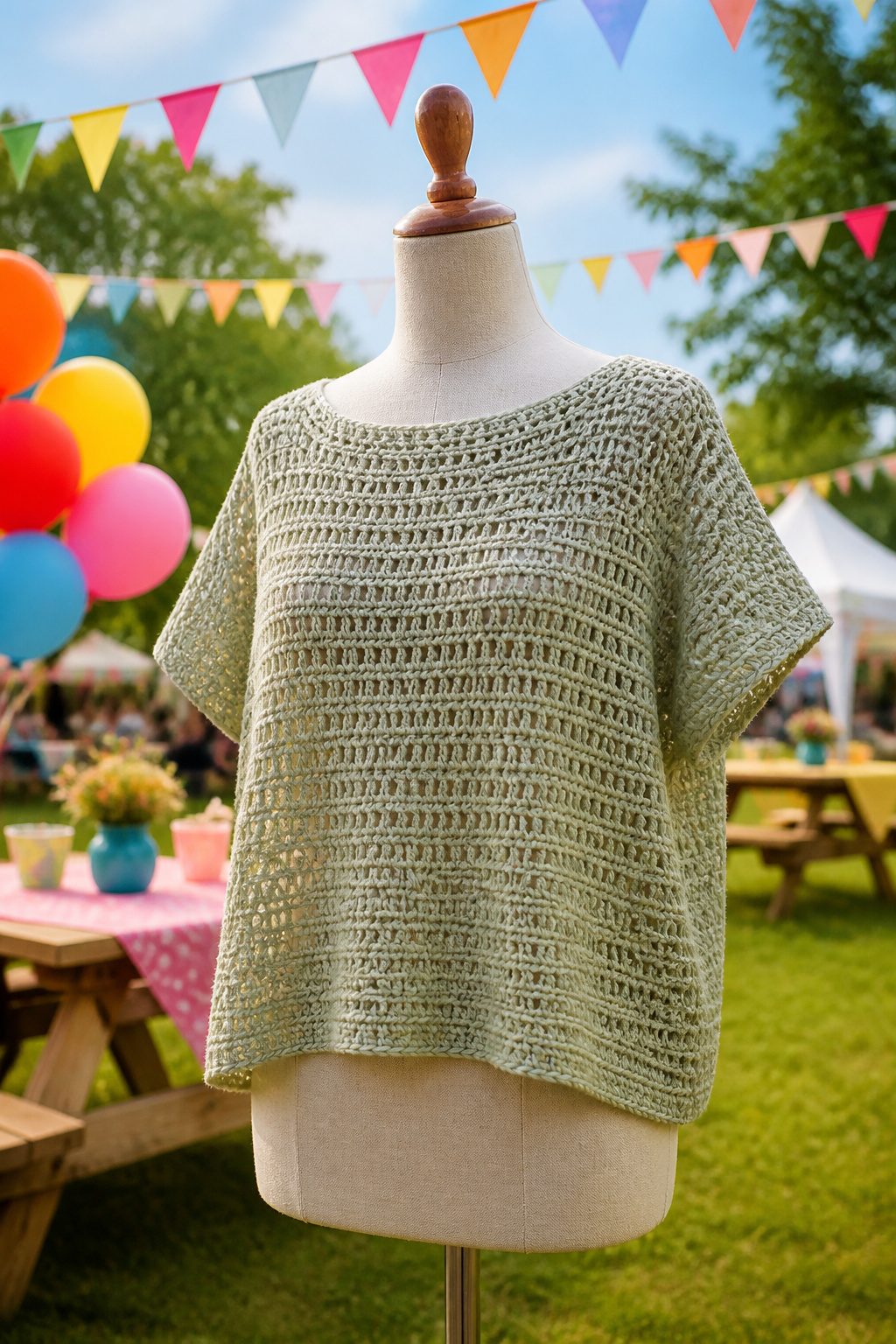
The Aurelia Top builds from two long rectangles, folded and seamed at the middle. That construction makes it one of the faster projects in this category. The finished shape runs oversized, boxy, and slightly cropped, which sits well over high-waisted bottoms without a lot of length adjustment.
Sizing runs XS through 5X, so the pattern already accounts for a wide range of body shapes rather than leaving the grading to guesswork. The dropped shoulder and loose fit mean the bust point matters less than with fitted shells, though the crop length can be shifted by adding rows before the fold if a longer torso needs more coverage. Cotton or cotton-blend yarn in sport or DK weight gives the drape this silhouette needs; anything heavier and the boxy shape turns stiff.
Wren Tee
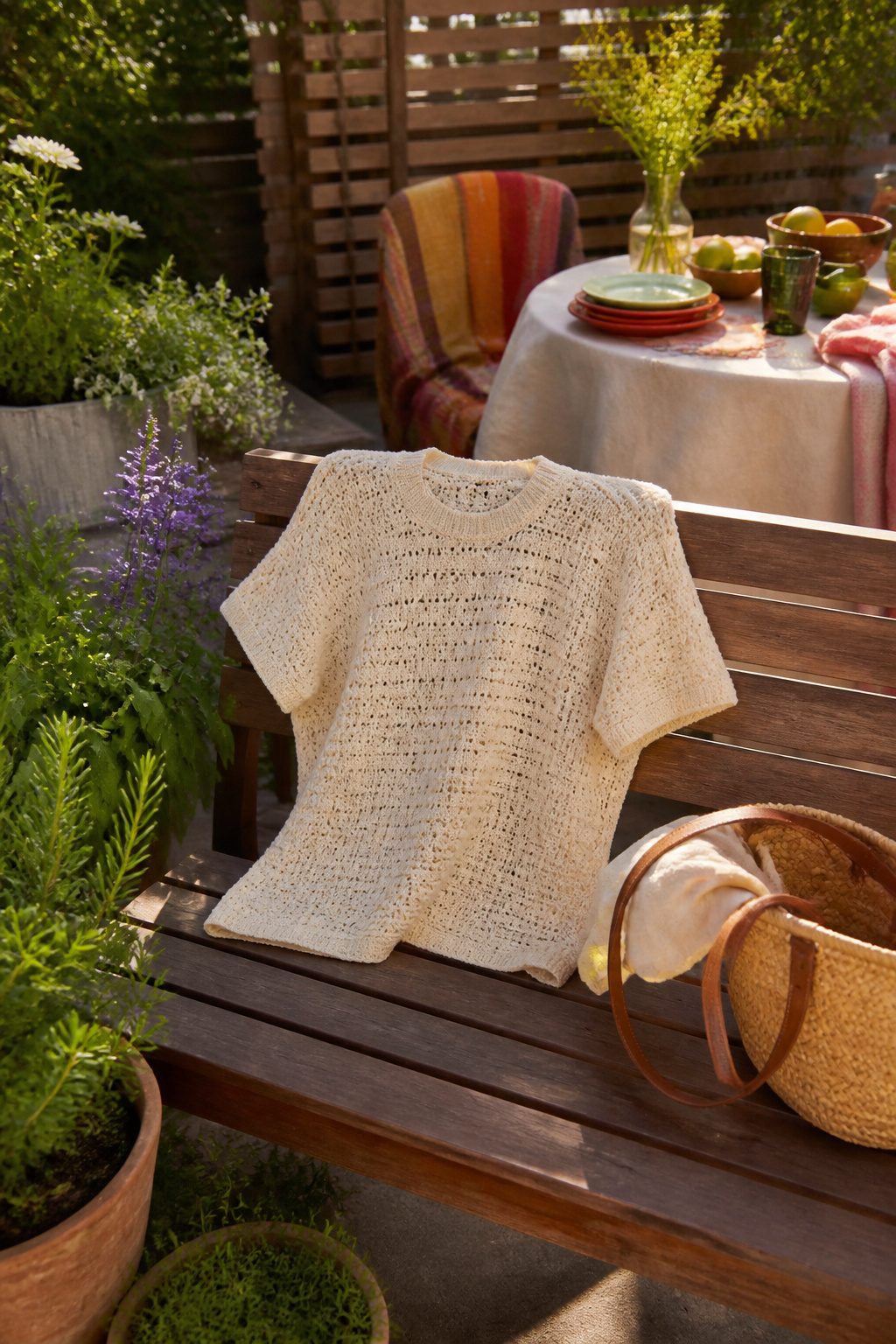
The Wren Tee works on a single stitch repeated end to end: single crochet and chain, nothing else. Sizes run XS through 5XL, and the same construction converts to a tank if you drop the sleeves. That range matters for a wardrobe piece you actually reach for, not one that sits in a drawer because the fit is half an inch off.
A top this plain becomes the layer you throw over a camisole for a casual Friday, or wear with high-waisted trousers when the office AC is cranked too high. Cotton or a cotton-linen blend keeps the drape from going stiff; the open stitch pattern does the breathable work. The lack of shaping also means it does not fight your body, which is why it flatters across sizes without the usual pattern adjustments.
Lovelace Top
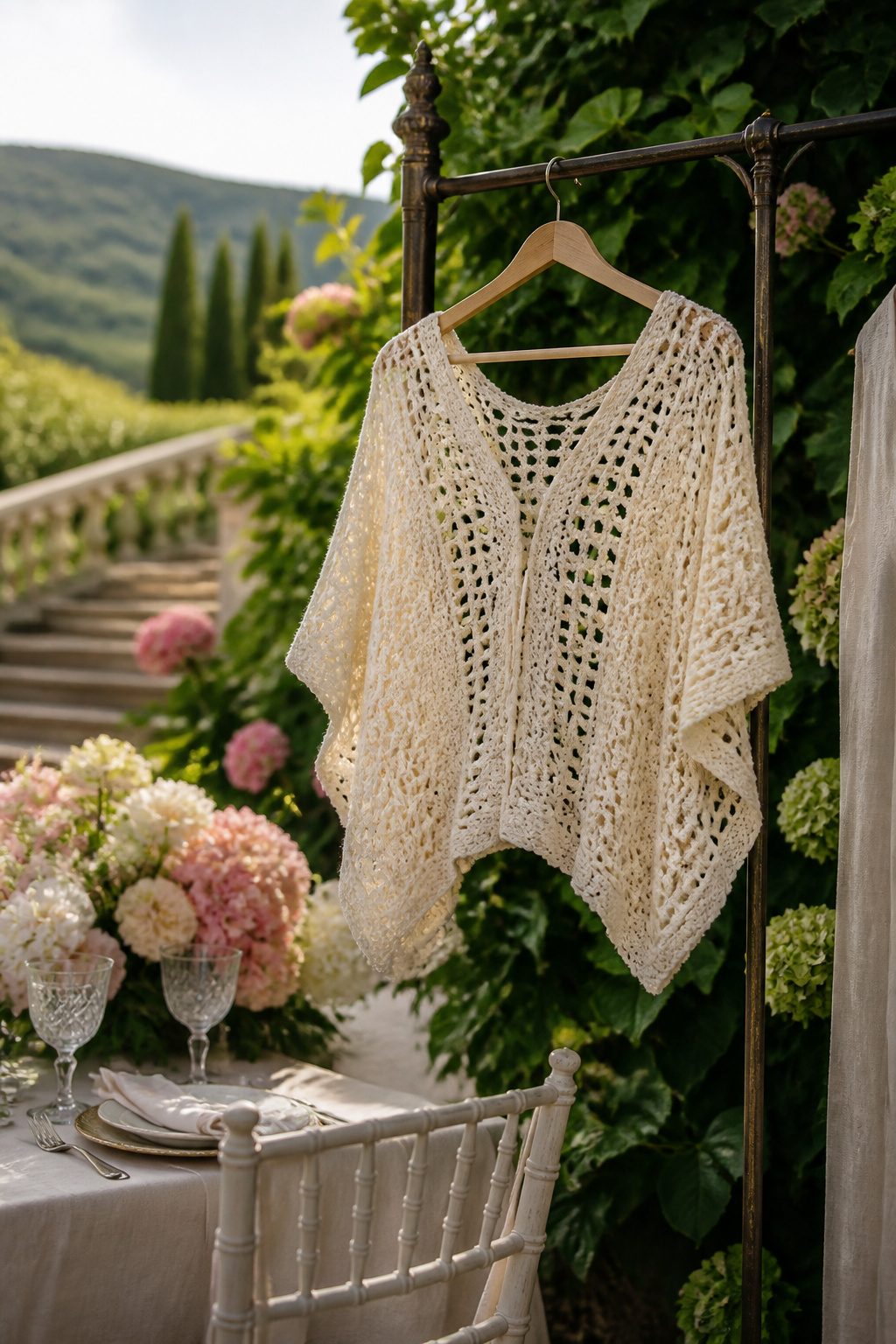
The Lovelace Top works as either a cardigan or pullover, both built from three plain rectangles. Double crochet and chain stitches carry the whole shape, so the project moves fast even for newer crocheters.
What makes it summer-wearable is the open, oversized frame. Air moves through the gaps between stitches rather than trapping heat against your skin, and the loose drape keeps the fabric from clinging on humid days. The lace effect comes from that openness itself, not from fussed-over stitch patterns.
For yarn, the pattern’s structure favors something with body and breathability. Cotton or a cotton-blend hangs well in the relaxed silhouette without stretching out of shape, and the natural fiber wicks moisture better than acrylic in July heat. A lighter worsted or DK weight hits the right balance: substantial enough to show the stitch definition, light enough that the finished piece does not feel like wearing a blanket.
Daybreak Top
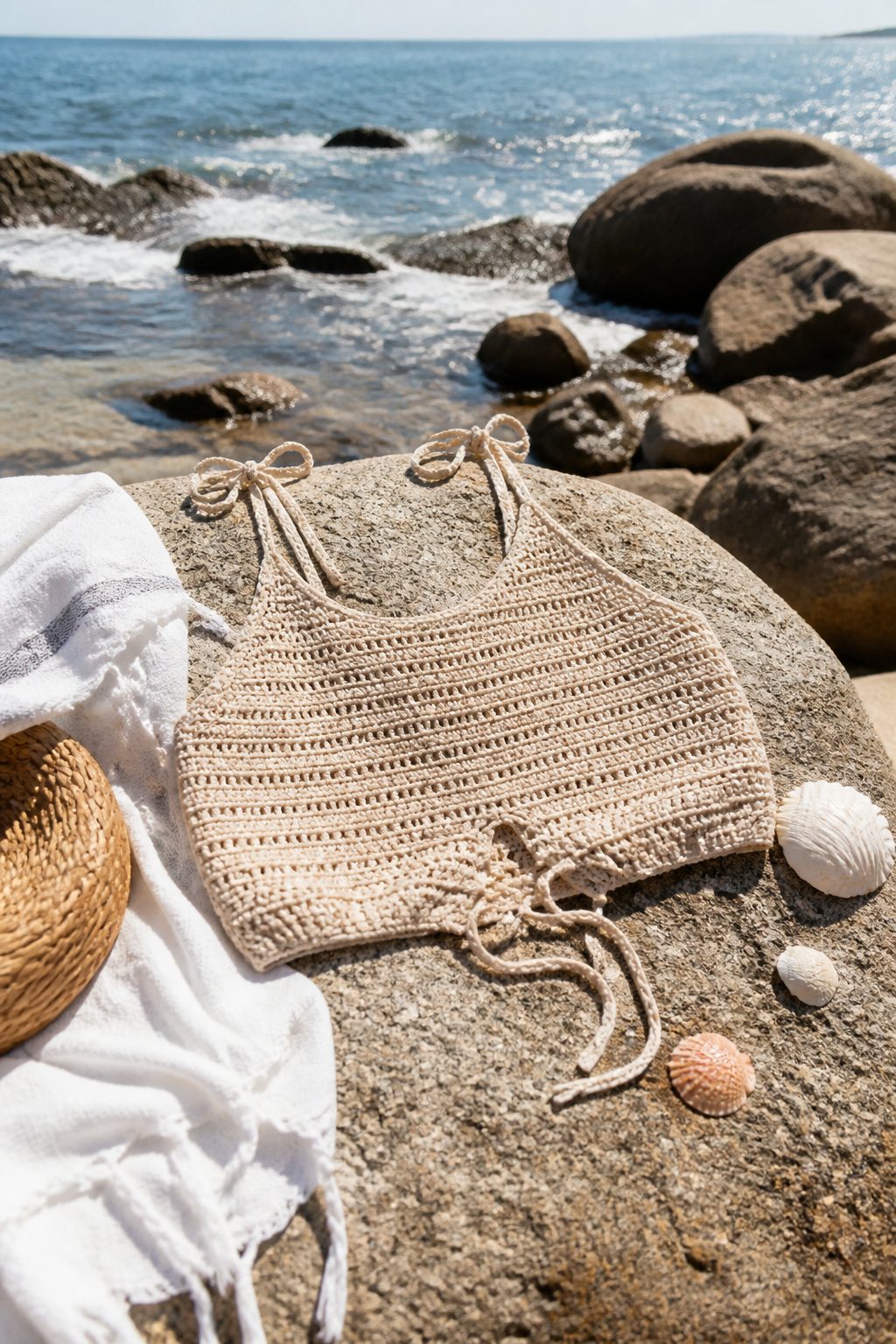
The Daybreak Top by Little Golden Nook is built to be adjusted. The pattern includes a more fitted variation alongside the standard drape, and the designer leaves room to play with color blocking, tassel placement, and overall length. That flexibility matters if you are between sizes or want a top that hits at the hip rather than the waist.
Skill level sits at advanced beginner to intermediate. The construction relies on familiar stitches worked in a way that creates shape without heavy seaming, though the color changes and edging details need attention to tension. I would not hand this to someone still learning to read a pattern, but someone who has finished a few wearables and wants to move past rectangles will find it approachable.
Size range and specific measurements are not published in the listing preview, so you will need to check the full pattern for your numbers. The notes do call out adjustment points, which suggests the designer expects people to tweak the length and fit rather than work it exactly as written. That is a good sign for anyone who has had to rip back a top that came out two inches too short.
Classic Halter Top
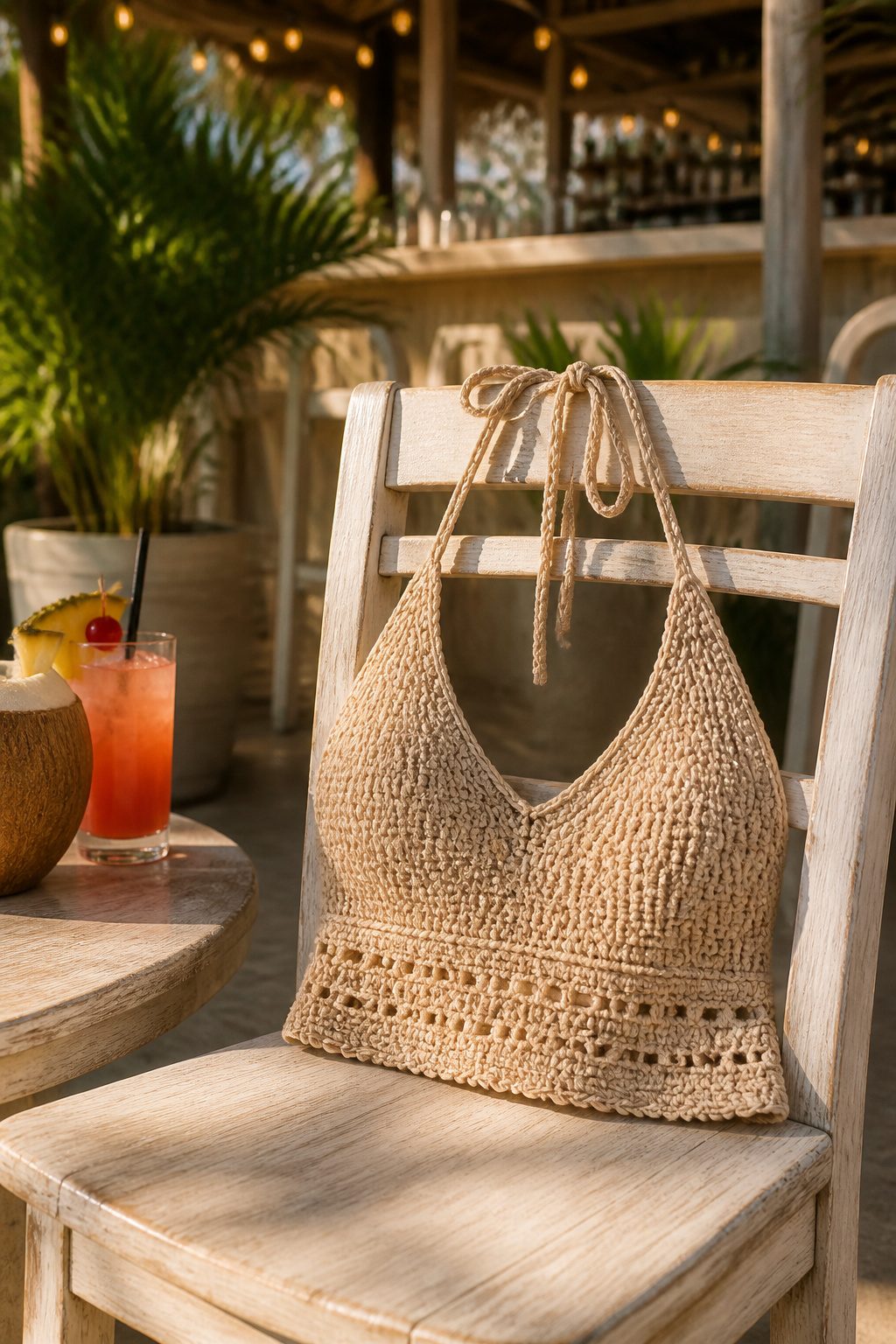
A halter top lives or dies on the fit at the neck, and crochet gives you the control fast fashion never does. The free pattern from Spotted Horse Design Co works up in a weekend with an easy stitch, sized in six grades so the neck tie actually sits where it should instead of sliding down by noon. What sold me, reading through the construction notes, is the two-panel build: front and back worked flat, seamed at the sides, the neck and back left open for straps you tie yourself. No hardware to heat up against your spine, no elastic to stretch out after one wash.
Linen-cotton blend is what the designer calls for, and it is the right call against bare skin in July. Cotton on its own can sag; linen gives it the memory to hold shape through humidity. The sources all point the same direction on summer yarn: lightweight cotton and bamboo blends wick moisture rather than trapping it, and they soften with wear instead of pilling into something you retire by August. I would not sub in acrylic here even if the color is perfect; it does not breathe, and a halter sits too close for that gamble.
Sunshine and Lace Crochet Tank Top
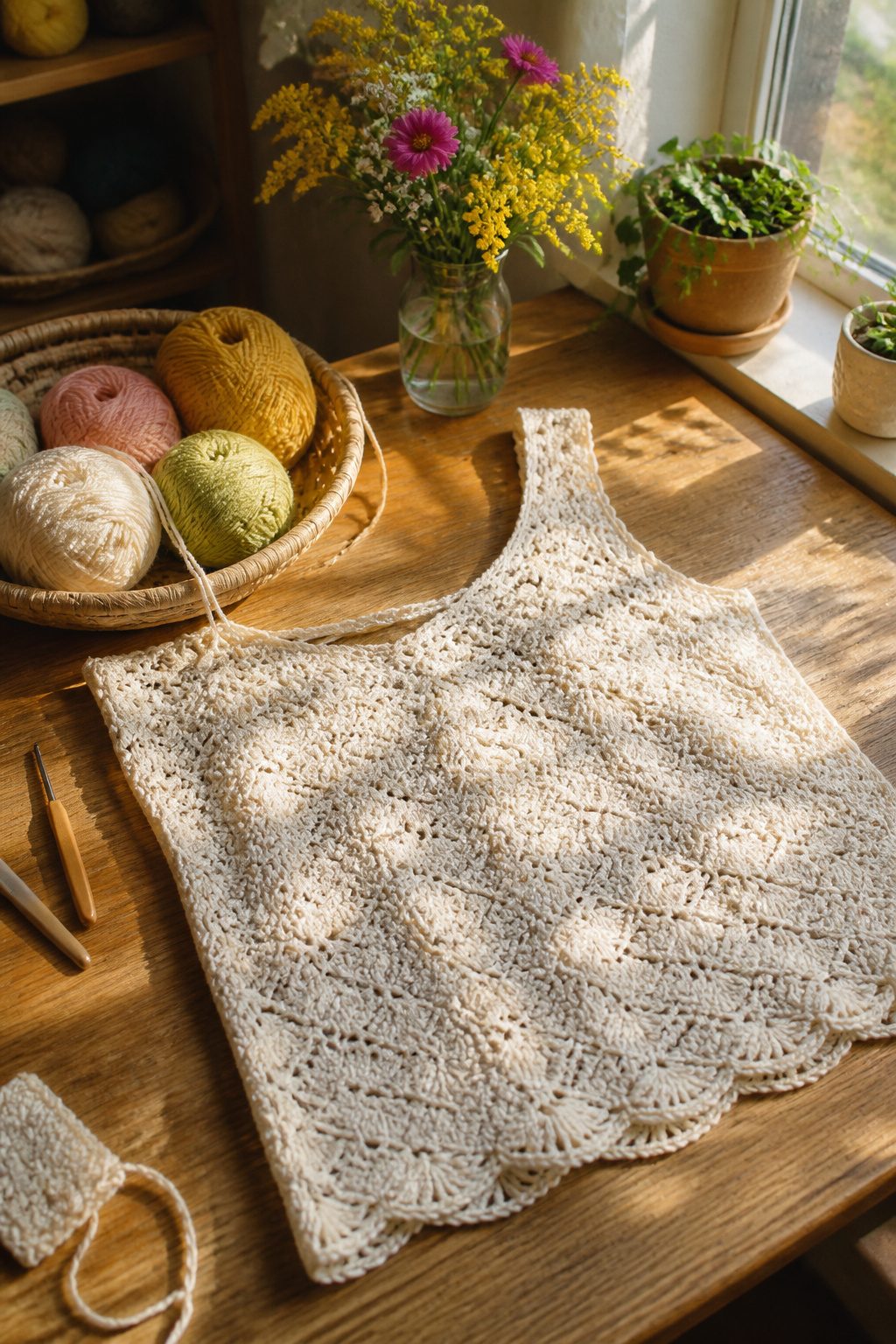
The Sunshine and Lace Crochet Tank Top builds its entire silhouette from open shells and a single lace-up seam, which means the fabric does most of the structural work instead of fitted shaping. That construction keeps it genuinely light: air moves through the shell pattern rather than pooling against solid stitches, and the side lace lets you cinch or loosen the fit without reworking the piece.
For summer tops worked in open lace like this, gauge matters more than it looks. The pattern calls for 18 double crochet stitches across 8.5 rows to hit the intended drape: too loose and the shells sag, too tight and the lace loses its airiness. Cotton or a cotton-blend sport weight handles this best. It holds the stitch definition through washing and does not collapse the way softer fibers can once the piece is off the hook.
Granny Stitch Crochet Top
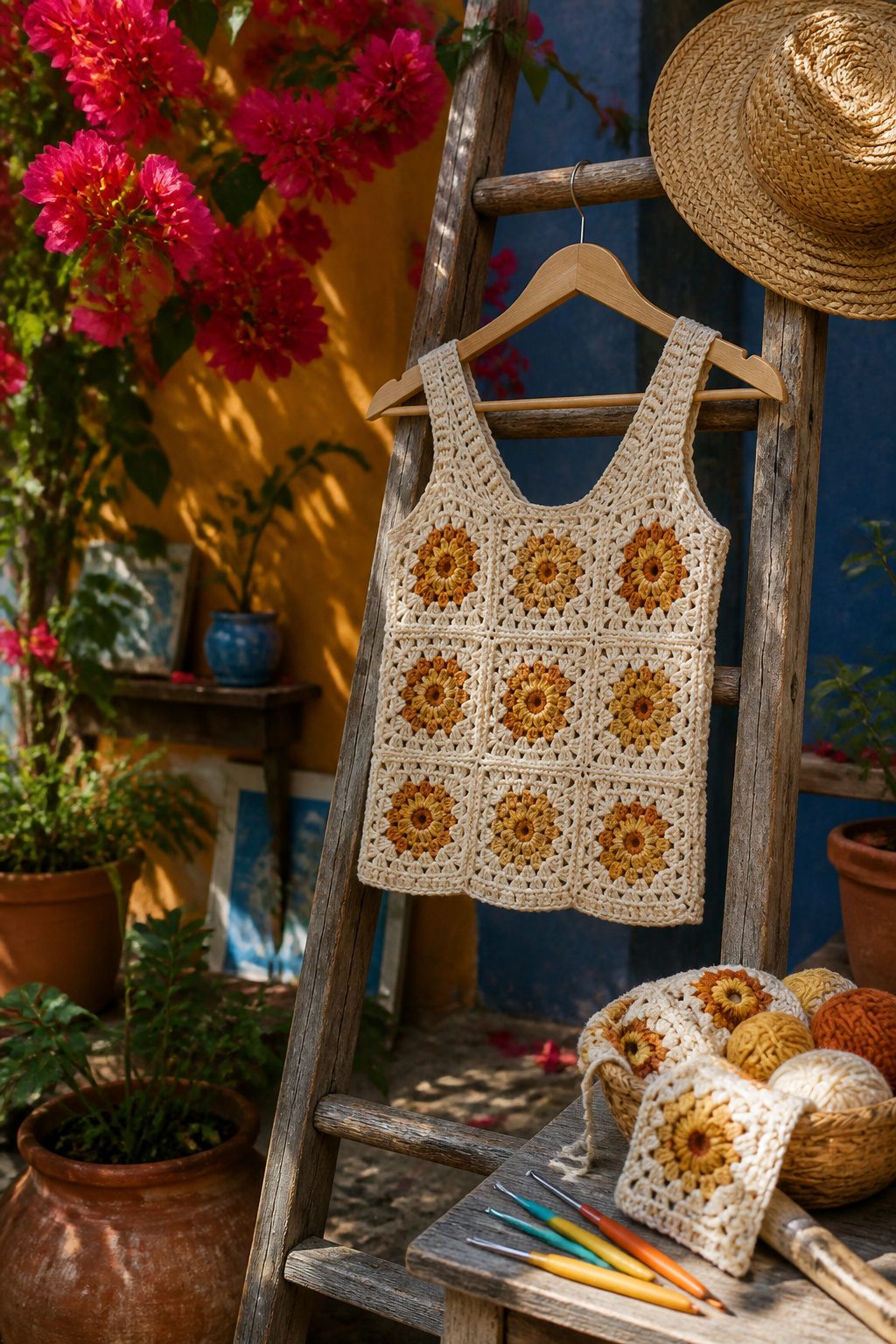
The granny stitch builds warmth in blankets, but open granny stitch variations flip that logic for summer: wider chain spaces between the clusters let air move straight through the fabric. Mesh stitches and shell stitches do similar work, yet the granny square’s modular shape means you can piece a top together from individual squares without wrestling an entire garment in your lap at once.
A beginner already comfortable with double crochet and chain stitches will recognize every move. The classic granny cluster is three double crochet worked into one space; the variation is simply enlarging the corner and side chains so the holes grow from pinpricks to real ventilation. Cotton or bamboo yarn keeps the shape from sagging, since plant fibers hold their structure better than acrylic in openwork. Filet crochet creates comparable airflow with a more grid-like look, but the granny’s staggered clusters read as texture from a few feet away rather than flat geometry.
I like this as a first wearable project because each square is a finished unit. Rip back one that warps, and the rest of the afternoon’s work stays intact. By the time the stack is ready to join, the maker has already handled every stitch the pattern asks for.
Peaks Crochet Tank Top
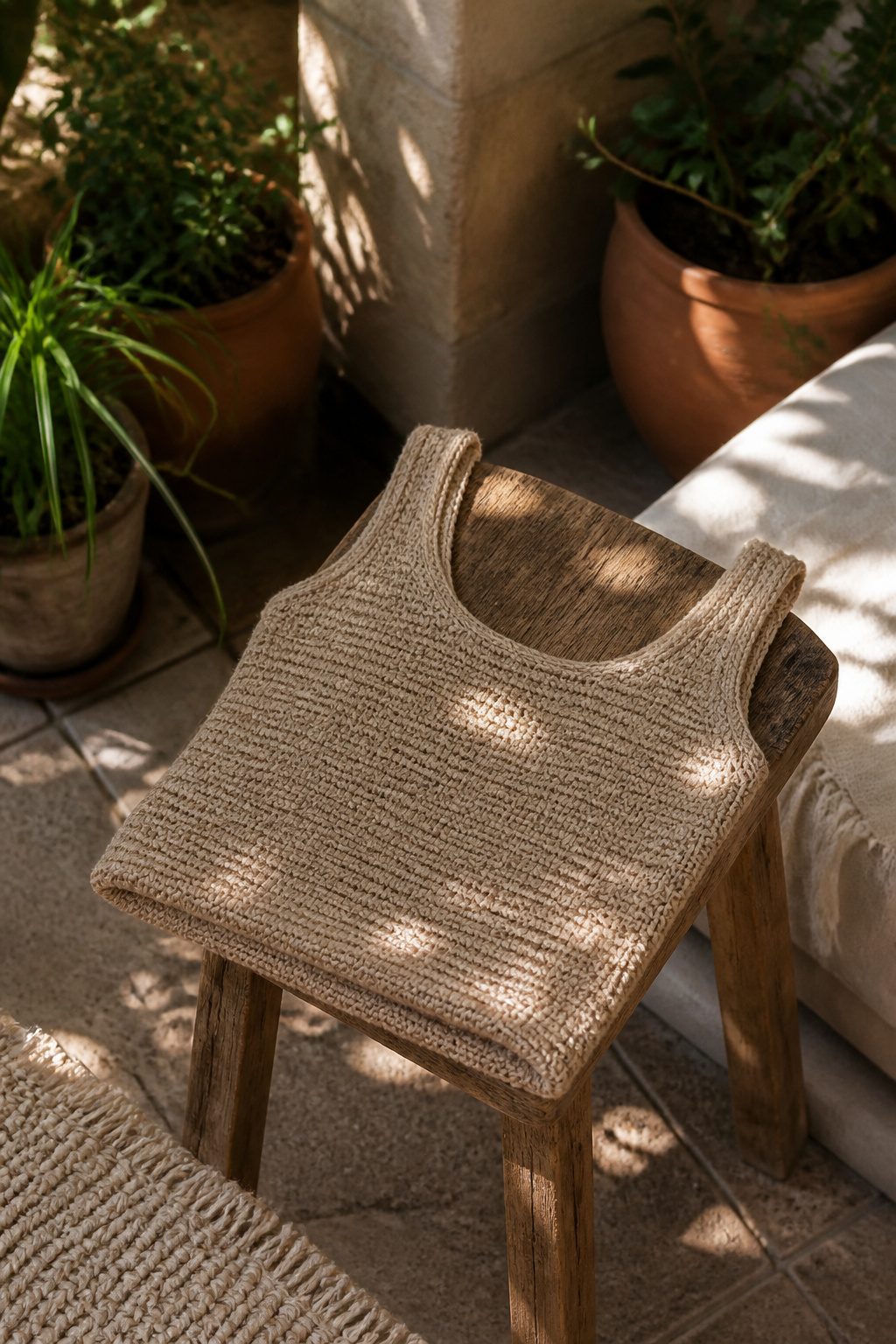
The Peaks Crochet Tank Top builds from two flat panels, front and back, worked bottom-up and seamed at the sides. Hooked by Anna designed it for basic stitches only, which keeps the rhythm steady even when the row count climbs past the waist.
Sport or DK weight cotton gives the fabric enough body to hold its shape without turning stiff. The stitch texture reads as small ridges across the surface, close enough that skin shows only in hints, not grids. That density matters for layering: under a blazer the top still looks like a real garment, not beachwear that wandered into the office.
For travel, the seamed construction means a snag at one side seam is fixable with a needle and the tail end still woven in from the join. I would pack this over a shell-stitch openwork piece every time; the tighter fabric does not catch on bag hardware or seat belts the way lacework does.
The cropped length sits at high-waisted trousers without a tuck, or you can add rows before the armhole shaping for more coverage. Either way, the simple geometry leaves room to adjust strap width or neckline depth in the final edging round.
Two Row Tee
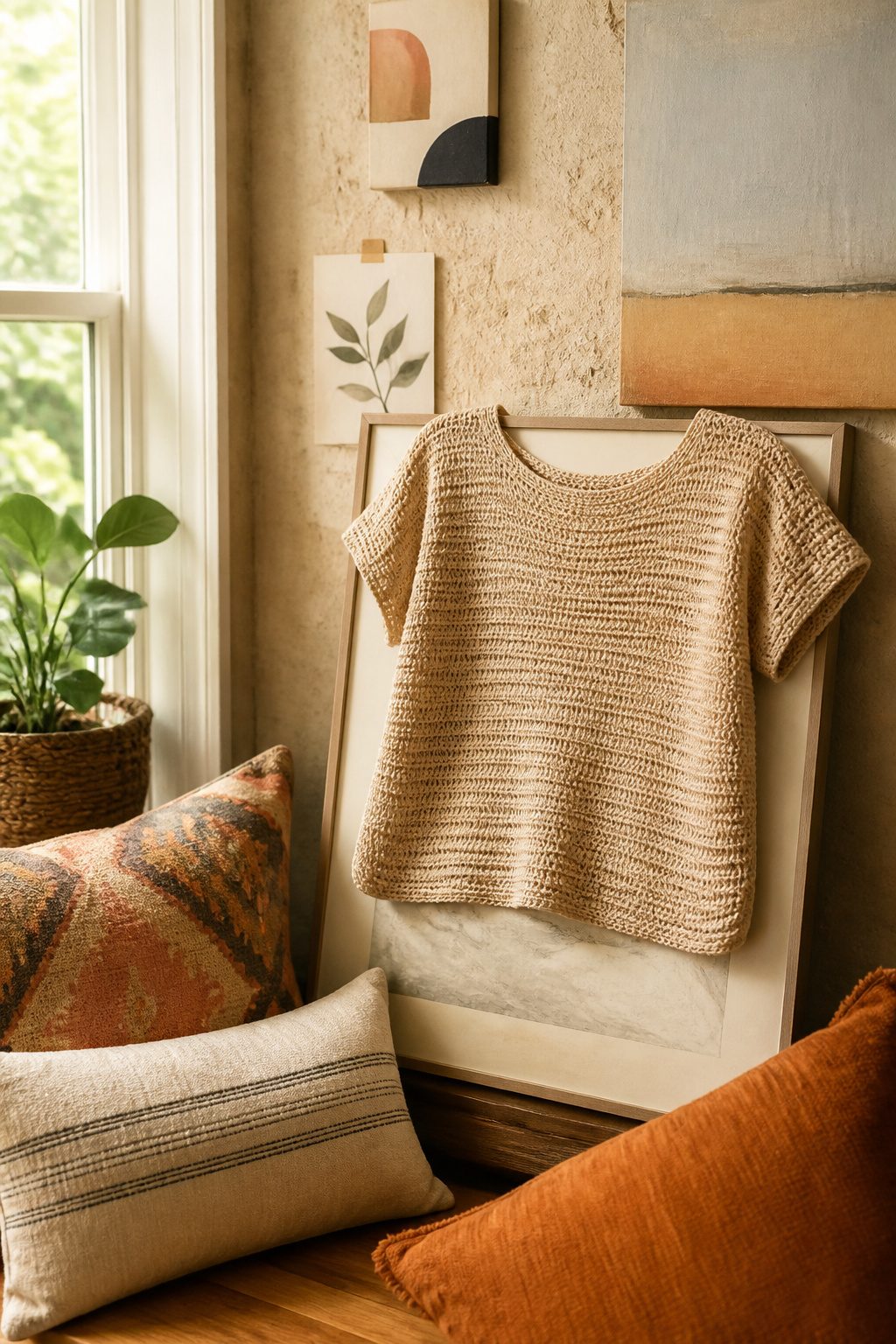
The Two Row Tee wins for anyone who has put off garment crochet because shaping looks like calculus. The pattern builds from a simple sideways repeat, just two rows to memorize, and the body forms from rectangles seamed together. That construction means no armhole shaping to calculate and no neckline curve to second-guess; the fit sorts itself out when you join the pieces.
Sizing runs across five options, so the rectangle math scales without rewriting the repeat. Cotton or a cotton-linen blend gives the drape this shape needs for summer, and the open stitch pattern keeps the fabric from turning into a blanket with sleeves. What took me longest was choosing the color, not the technique.
Shoulders in the Sun Top
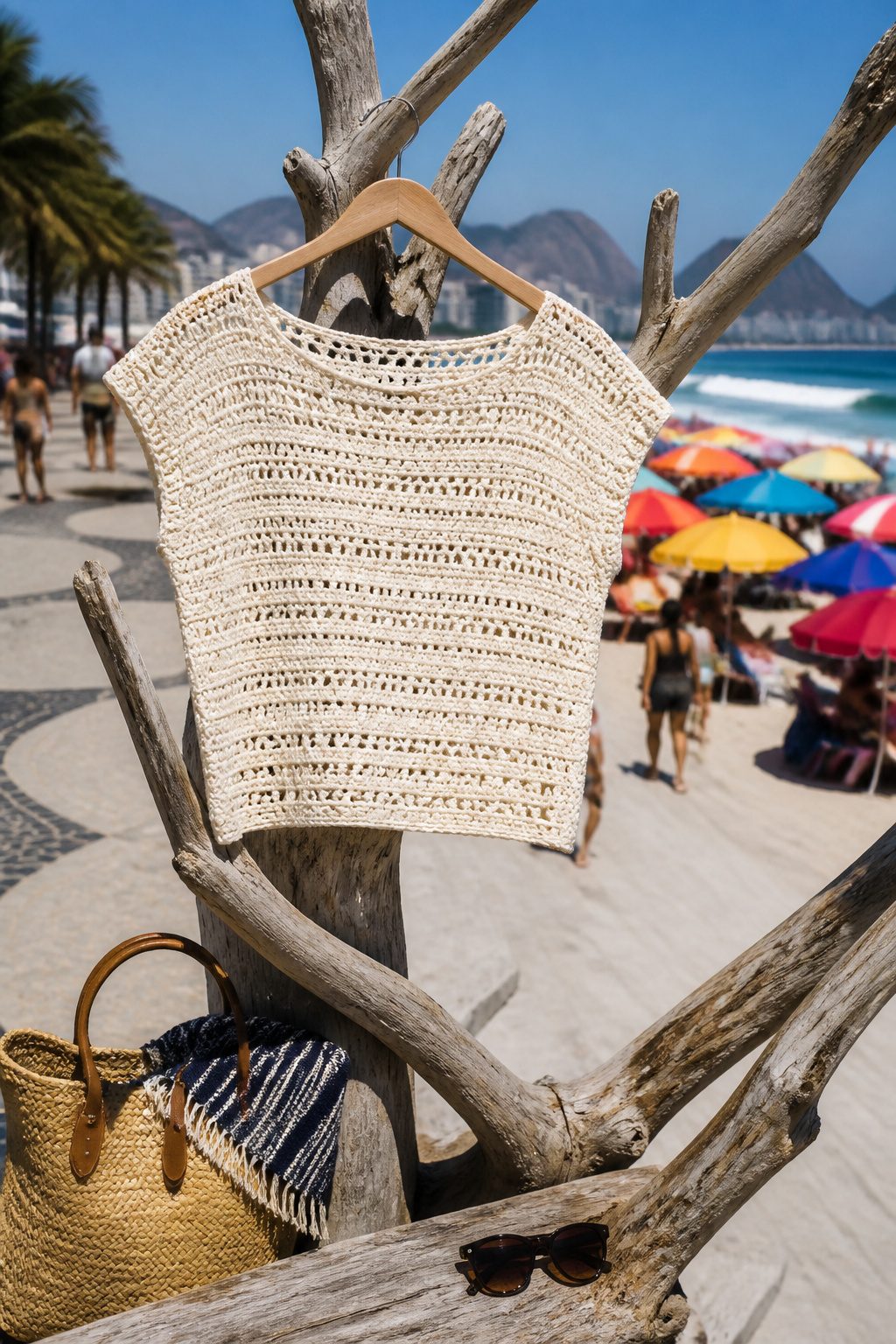
The Shoulders in the Sun Top hits that sweet spot between covered and cool with a tie-front enclosure that pulls tighter when you want it to. The shoulder-baring cut reads evening party, but the cotton DK weight keeps it practical for actual hot summer days. Paintbox Yarns Cotton DK comes in 50 shades, so matching it to something already in your closet is not a guessing game. The pattern also includes options to extend the length, which matters more than most designers admit: a crop that rides up on a long torso turns a fun piece into something you stop reaching for. Sizing range was not specified in the original pattern notes, though the adjustable front tie does some of the fit work that fixed sizing cannot.
Ivy Tee
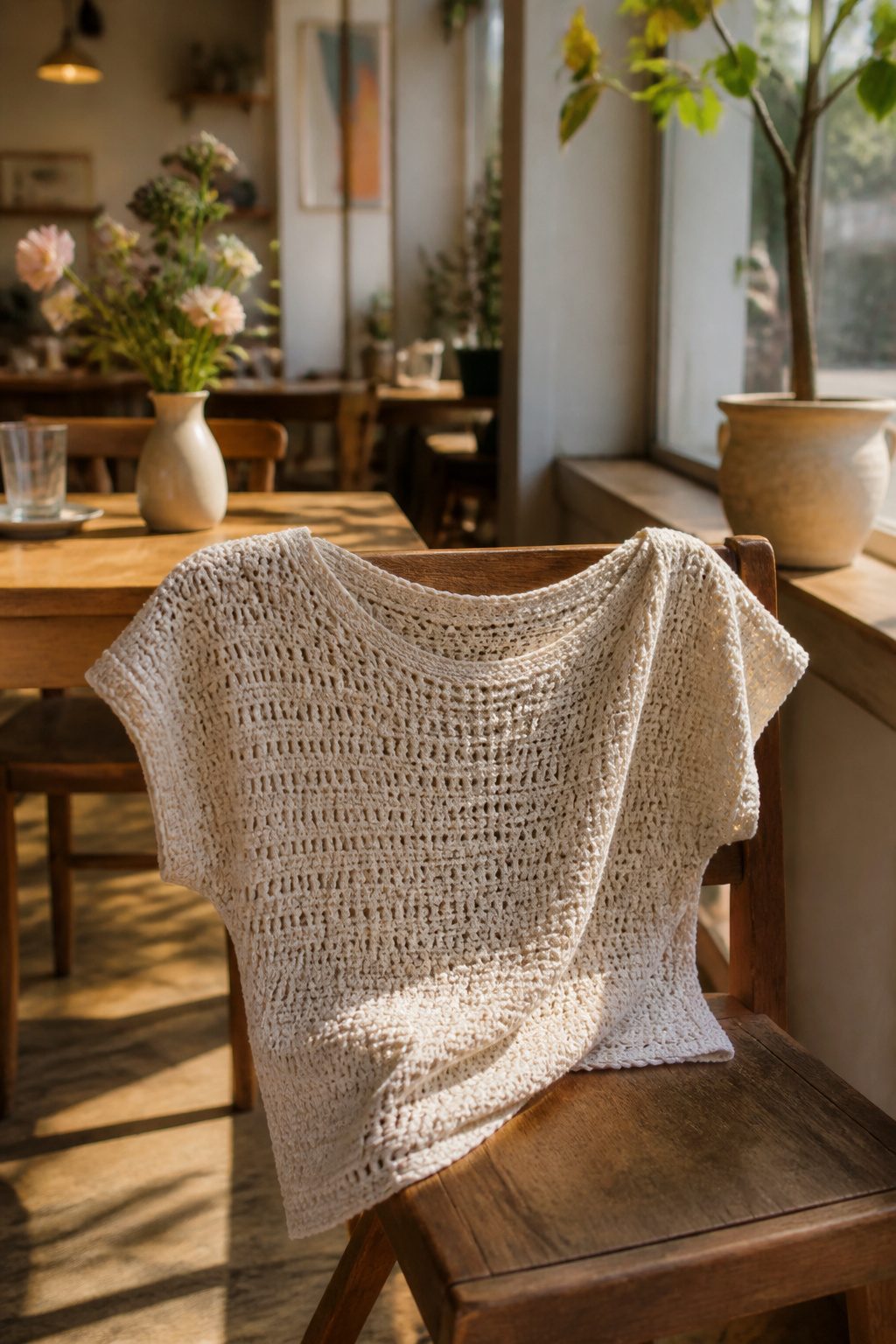
The Ivy Tee alternates rows of treble stitches with rows of bean stitches, a combination that reads simple from across the room but adds texture up close. That bean stitch is the detail that elevates it from basic camisole to something worth the hours of work.
Fit on this one sits in a middle zone. The pattern lands relaxed rather than oversized, so checking the finished measurements against your actual bust matters more than usual. I have seen too many summer tops that look airy in the photo wear like a tent in person, or worse, pull across the shoulders because the ease was skimpier than it appeared. The Ivy Tee avoids both traps if you match your numbers honestly.
For yarn, a cotton or cotton blend with some drape keeps the silhouette from going boxy. The open stitch pattern already breathes well; the wrong fiber choice is what turns that ventilation into stiffness that stands away from the body.
New Wave Top
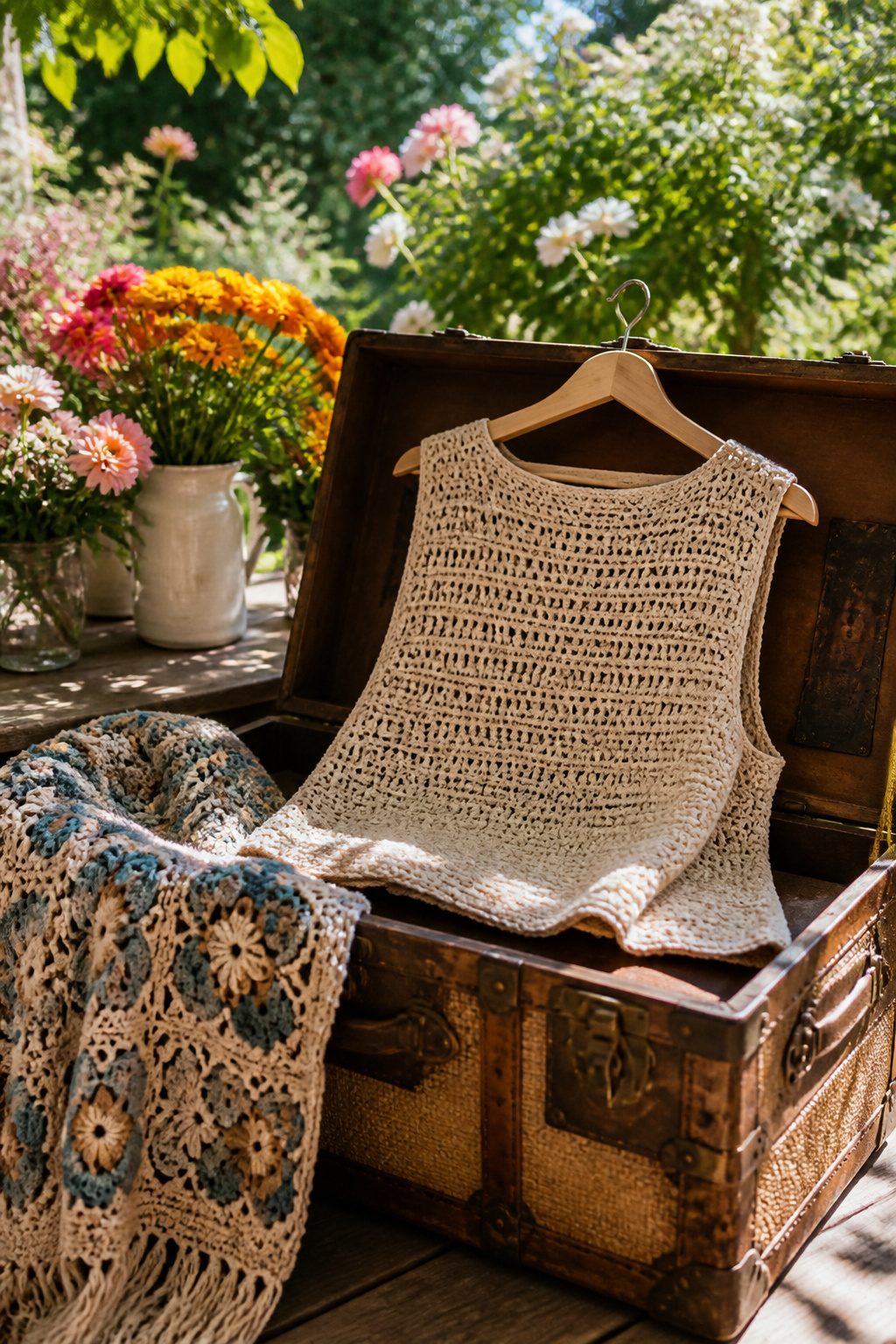
The New Wave Top works on a two-rectangle construction, folded and seamed at the middle to create the finished shape. That simplicity is the point: long straight rows mean you can watch a movie while the fabric grows, and the fold gives a natural drape at the shoulders without shaping math. The skill level sits at advanced beginner; you need solid tension and basic seaming, but nothing sculptural. Where this pattern opens up is in the finishing. The original calls for a cropped length, but the rectangle format makes it easy to add body inches before that center seam, or to shorten for a higher hem. Tassels are optional, and color blocking the two panels, either in alternating stripes or a solid front with a contrast back, reads as intentional rather than afterthought. The boxy cut forgives fit issues that more tailored summer tops punish, so a first attempt at garment crochet is more likely to leave you wearing the result.
Datura Bloom Top
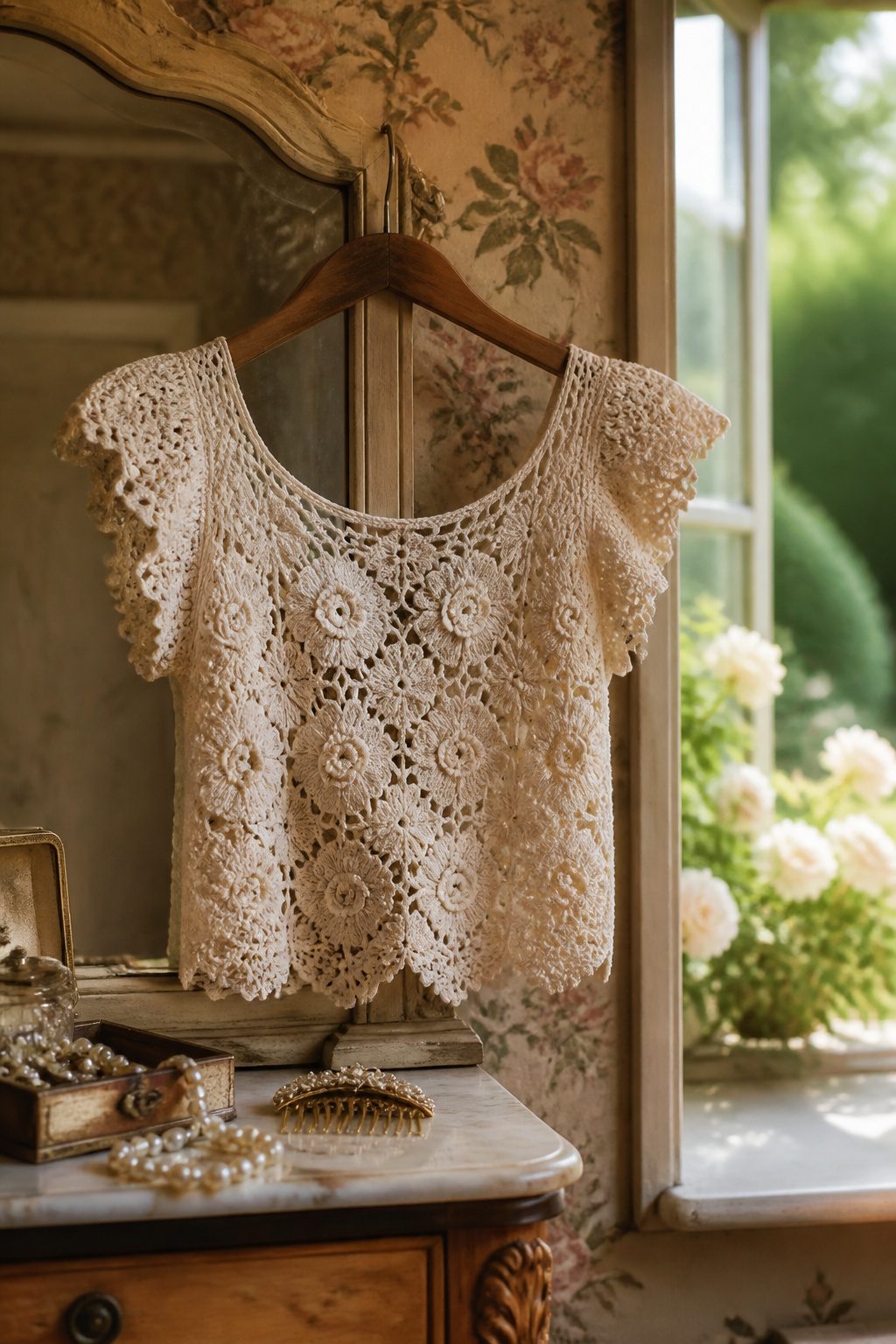
The Datura Bloom Top works from four classic crochet motifs arranged into an oversized lace silhouette with ruffled bell sleeves and a deep square neckline. The effect reads closer to tattered vintage lace than typical beach cover-up, which is exactly why it holds up for summer weddings or evening events where a cotton top would normally feel underdressed.
Floral inspiration shows in the motif shapes themselves, not just the name: the stitch clusters open into petal-like forms rather than flat geometric mesh. Paintbox Yarns Cotton DK gives the structure enough body that the bell sleeves keep their shape through an outdoor ceremony, then soften with wear into the drape you want for dinner afterward.
What convinced me, reading through the pattern notes, is how deliberately the designer built in that range. The same top dresses up with the neckline showing against a skirt, or drops over jeans the next morning without looking like you grabbed the wrong layer. Cotton DK is a practical weight here: lighter than worsted so you stay cool, but substantial enough that the lace does not read as accidental.
Harvest Flowers Vest Topper
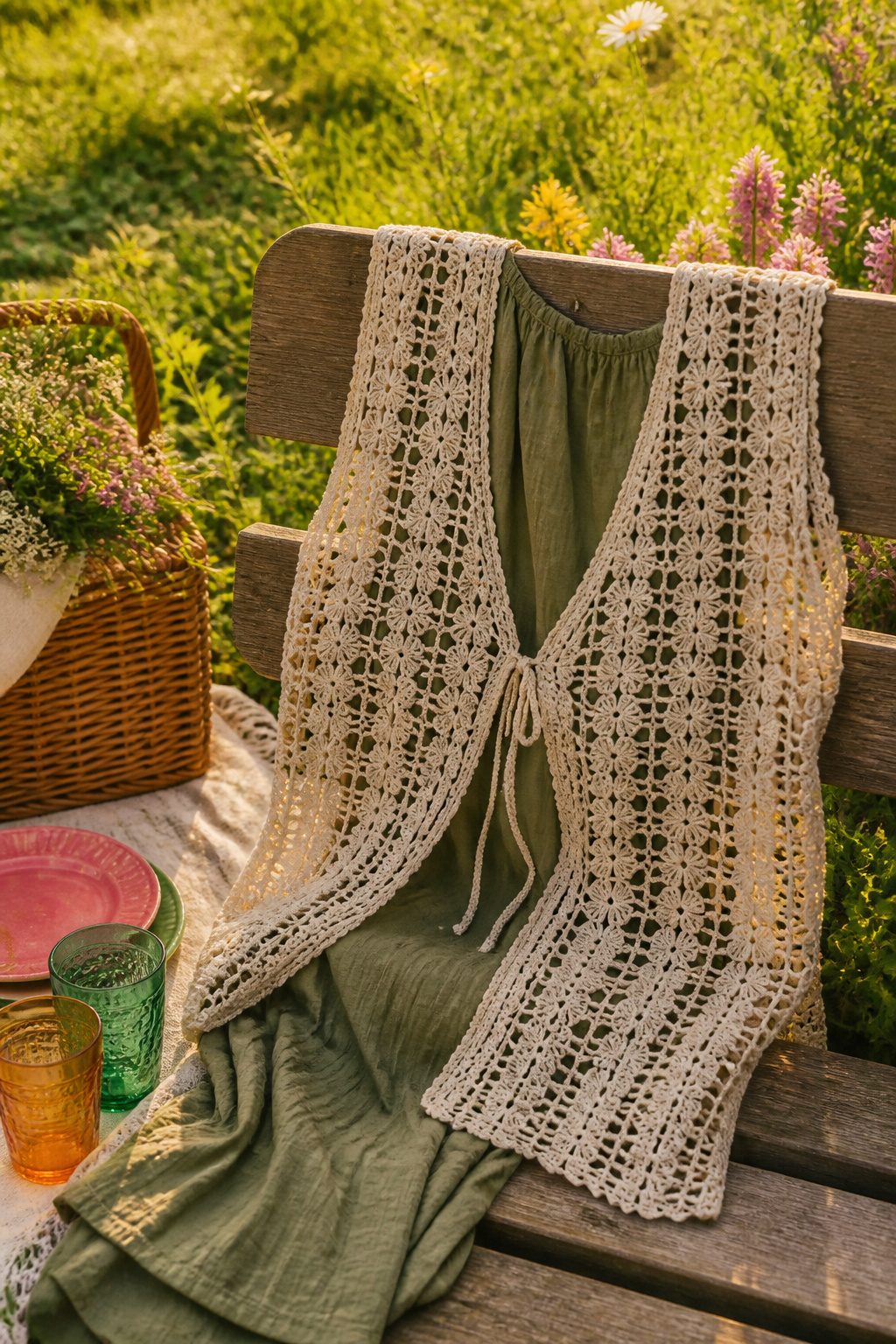
Two long rectangles in an easy crochet lace make up the Harvest Flowers Vest Topper, a piece that functions less like a garment and more like a layer you reach for when the afternoon sun fades but you are not ready for a jacket. The construction is straightforward enough that the effort sits in the wearing, not the making. I like this kind of vest for the weeks when summer technically ends but the temperature has not read the calendar; it adds coverage without the commitment of sleeves.
The open lace body keeps it from reading as cold-weather gear, so it travels well in a bag that stays by the door. For anyone building a travel wardrobe from handmade pieces, this is the sort of item that justifies its space by working over a tank at breakfast and again at dinner with a different bottom. Six sizes are available, which matters more than it might seem with a draped rectangle construction, since the armhole depth and overall length still need to land in the right place to read as intentional rather than improvised.
Yarn for Summer Tops
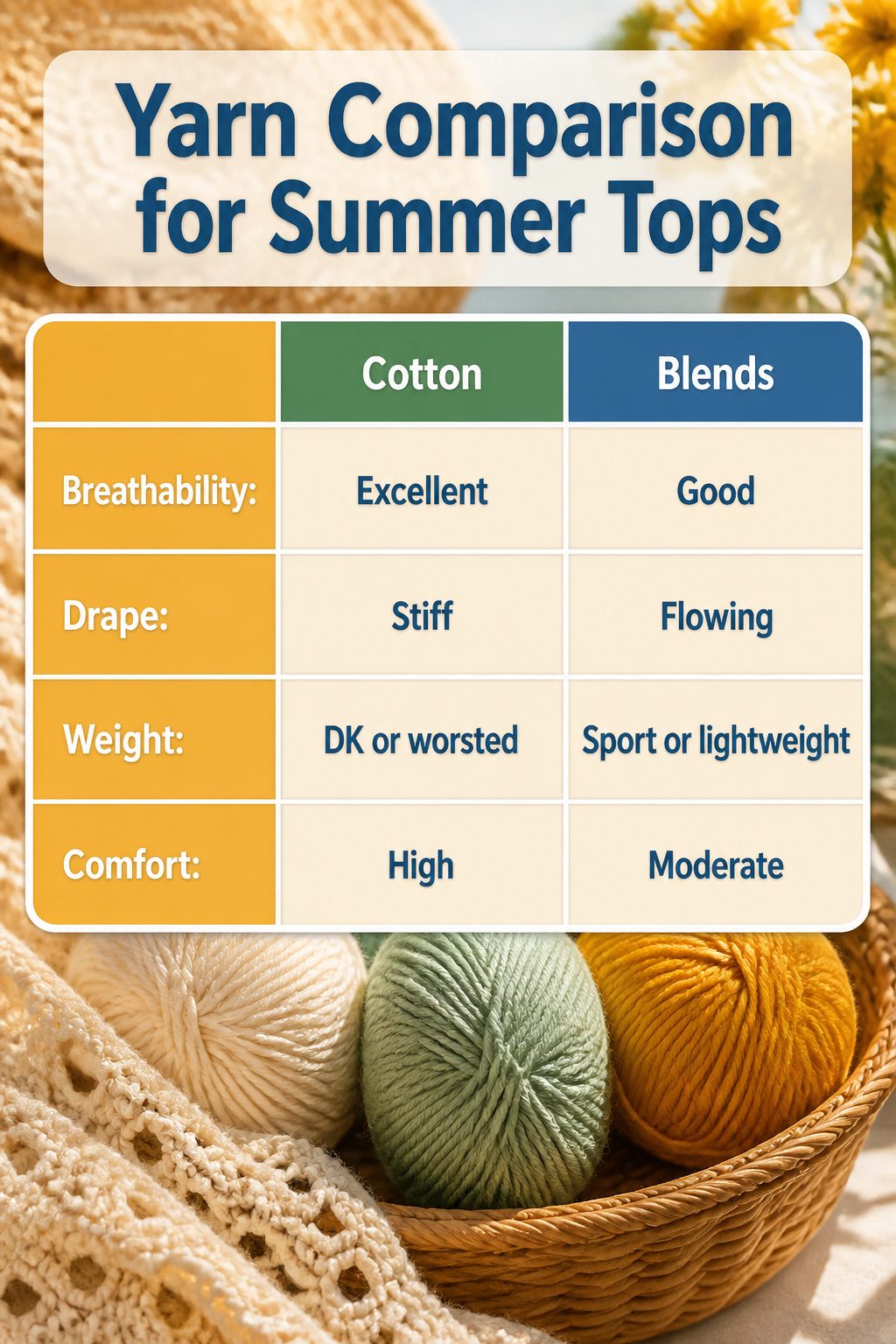
Cotton is the fiber most crocheters reach for first when a summer top is the project, and for good reason. It breathes, it absorbs, and it holds its shape through repeat washes in a way that matters when a garment sits directly against your skin for hours. DK weight or lightweight worsted cotton is the practical starting point for most crochet summer top patterns, though sport weight, around a #2, works beautifully for finer, more fitted pieces.
Blends solve the one complaint pure cotton earns: stiffness. A cotton-bamboo mix gives the drape that makes a tank skim rather than box, and linen blends, which soften as you wear them, stay cooler than almost anything else in humid heat. Bamboo alone is worth considering for flowy, oversized silhouettes where the way the fabric falls matters more than structure.
The mistake to avoid is reaching for the yarn left over from a winter project. Bulky weights and heavy acrylics trap heat; the same stitch count in a lightweight fiber creates fabric that actually moves air. Work a gauge swatch, check the pattern’s recommendation, and remember that summer yarn is as much about what you leave on the shelf as what you bring home.
Stitches That Keep You Cool
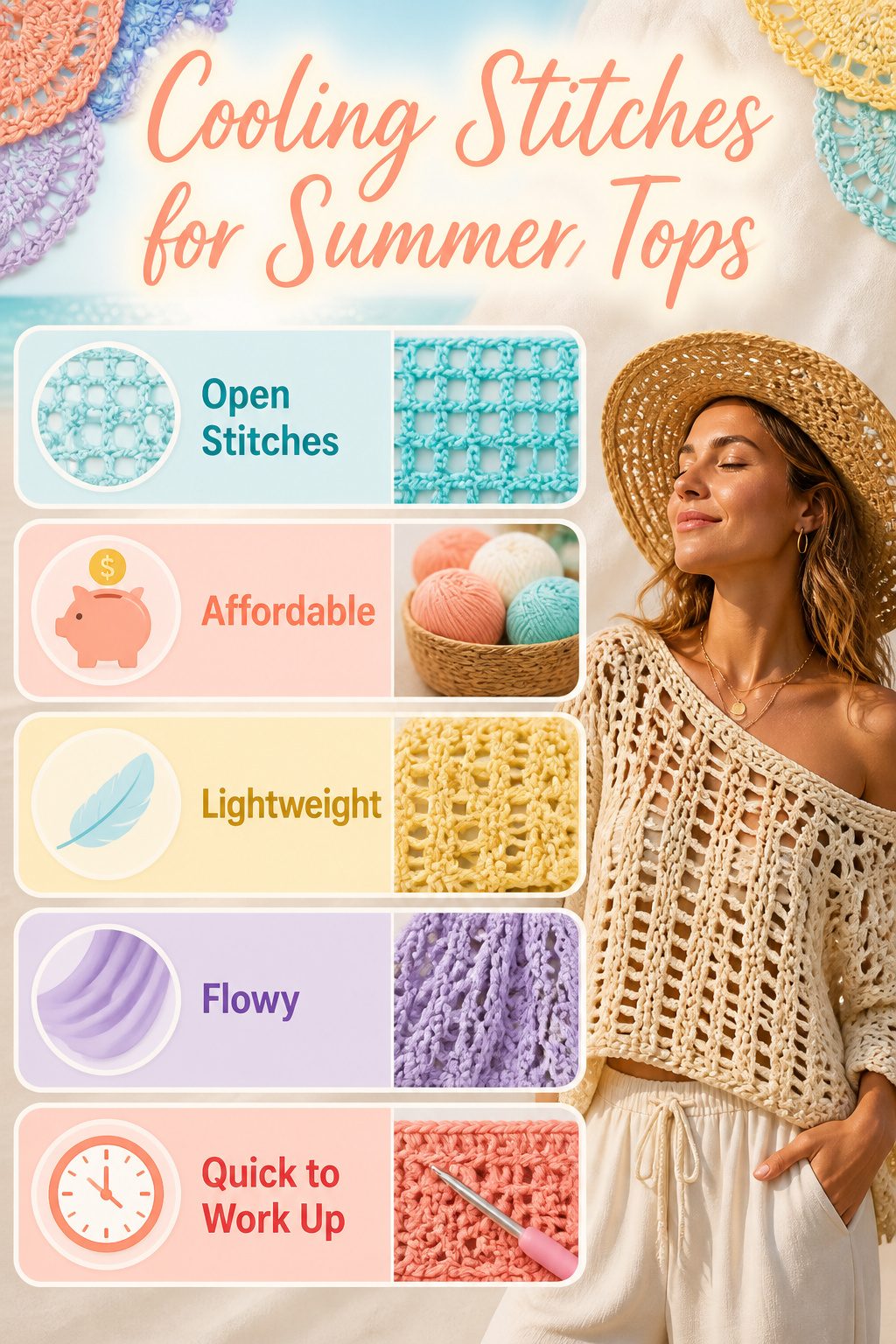
The stitch you choose for a crochet summer top matters more than the pattern itself. Open, lightweight stitches create the airflow that makes hand-crocheted pieces wearable in July, and mesh, filet, or granny stitch variations do this best. They leave deliberate gaps between yarns so heat escapes instead of trapping against your skin.
Simple stitches hold their own too. A basic double crochet or half double crochet, worked loosely with a large hook, builds fabric that drapes and breathes without the openwork look. I have seen solid-stitch tops that work beautifully for women who want coverage without the weight of a knit tee.
Shell stitches and lace stitches sit in the middle: more decorative than plain double crochet, but still engineered for gaps. The Haven Tee, an oversized boho style worked side to side in extended stitches on a large hook, gets its mesh drape from this exact approach.
Speed is a side benefit worth mentioning. Open fabrics work up fast because each row carries less yarn. A summer top in mesh or granny squares often takes half the time of a dense winter sweater, which makes these projects forgiving if you are still learning to read your gauge.
Gauge and Fit
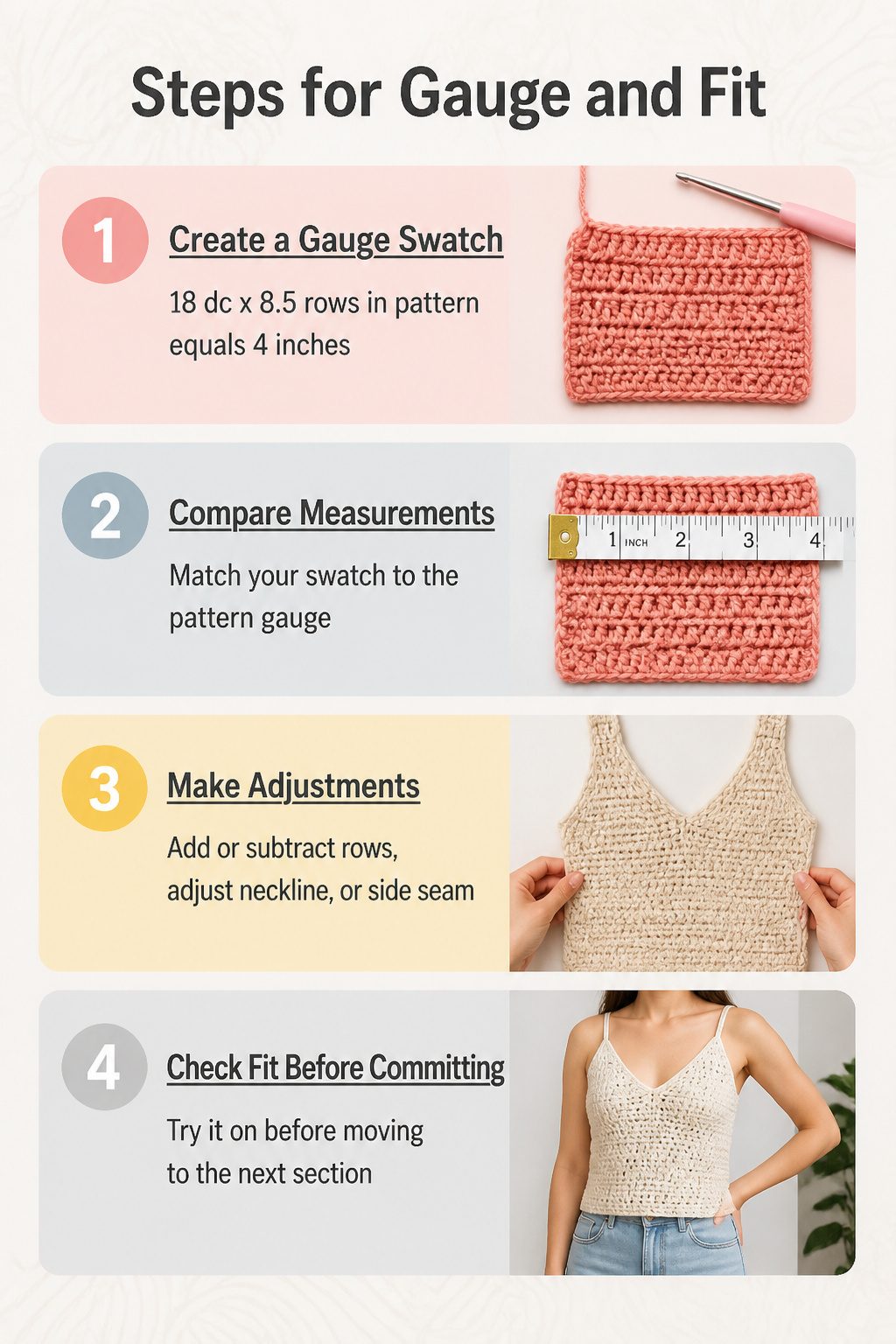
A crochet summer top lives or dies on whether you bothered to swatch first. I learned this the expensive way: one top came out two inches too narrow across the bust, and ripping back cotton yarn is miserable work. 18 dc x 8.5 rows in pattern equals 4 inches is a gauge I have written down from a pattern that actually fit, and now I match that before I start anything wearable.
Two people who wear the same store size can look completely different in the same finished piece, which is the whole point of making rather than buying. Most simple patterns will tell you where to add or subtract rows for length, or how to deepen an armhole. I usually start small, adjusting a neckline or taking in a side seam, then try it on before I commit to the next section. The fit you get after an hour of careful tweaking beats anything off the rack.
Blocking the Finished Piece
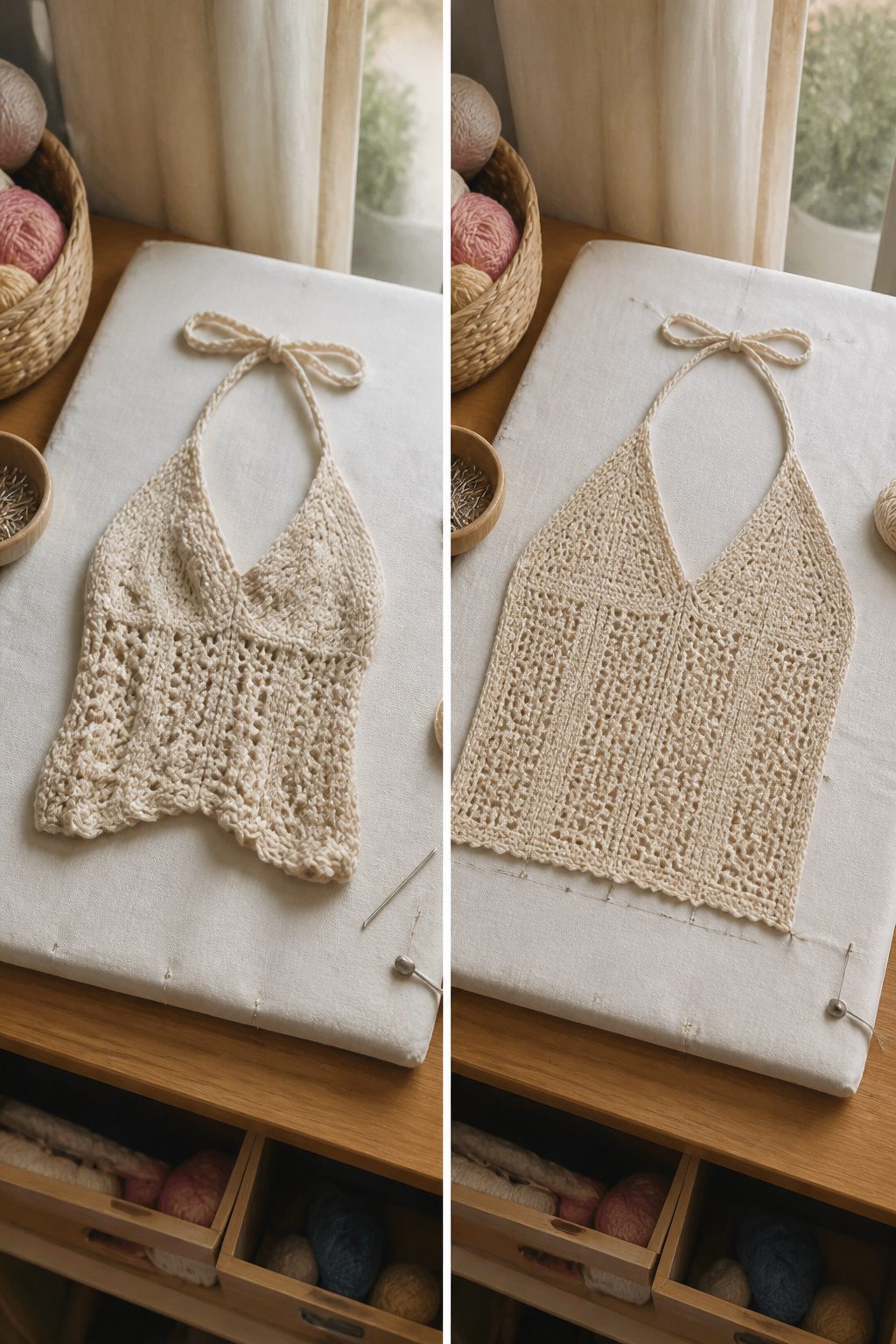
Blocking has never been so important as it is for a crochet summer top, and I will admit I have skipped it more times than I care to count. The garment comes off the hook looking rumpled, the edges curl, and the shape is not quite what the pattern promised. A soak, some pins, and a flat surface are all it takes, though the wait while it dries is what tests the patience. Any pins and base will do as long as the piece can lie flat and stay undisturbed.
The transformation is worth the tedium. Lightweight, open stitches like mesh or shell patterns need that settling to open up and drape the way they should, and even a simple double-crochet body hangs better once the fibers relax into position. Without it, the fit stays slightly off, the hem rides, and the whole thing looks homemade in the wrong way. For a summer top that is meant to be breezy and wearable, blocking closes the gap between finished object and finished garment.
Matching Pattern to Skill Level
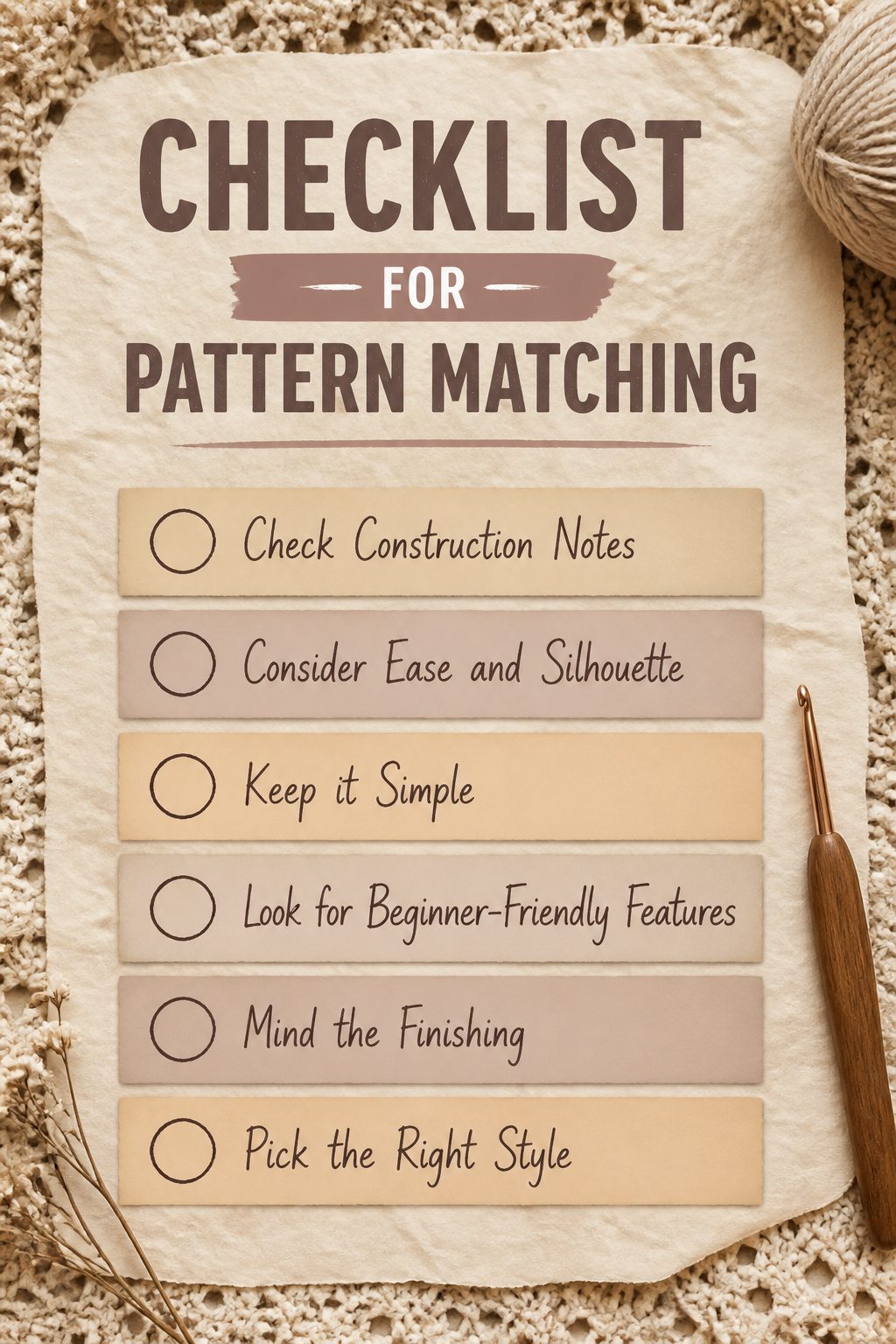
A crochet summer top lives or dies on whether the pattern matches the hands making it. Most designs worth the yarn are built from simple shapes like rectangles or panels that seam together fast, which is why garment-making newbies often start here rather than with fitted sweaters.
- Check the construction notes before you fall for the photo. A seamless top worked in one piece saves hours of seaming; a design built from three separate rectangles, like some boho pullovers, lets you mindlessly repeat rows while Netflix runs.
- Ease and silhouette matter more than stitch complexity. Oversized, drapey shapes forgive measurement slips; fitted bodies demand precision you may not want to sweat in humid July.
- Even experienced crocheters should keep first garments simple. Shaping and extensive finishing, like weaving in what feels like billions of ends, turn a weekend project into a month of avoidance.
- Simple stitches, easy row repeats, and size ranges running XS to 4X are common in the best beginner-friendly patterns. The math stays flat, the counting stays low, and the finished piece still looks intentional.
Pick the style you will actually wear: boho and open, or clean and modern. A handmade garment that stays in the drawer is just expensive storage.
Frequently Asked Questions
What yarn is best for crochet summer tops?
Lightweight cotton, bamboo, and linen are the best choices for crochet summer tops. Cotton is cool, absorbent, and holds its shape well, while bamboo offers softness and beautiful drape for flowy garments. Linen blends keep garments cool and actually soften with wear and washing. Look for DK weight or lightweight sport weight yarns rather than bulky options that trap heat against the skin.
How do I adjust a crochet summer top for fit?
Check your actual measurements against the finished dimensions in the pattern, then add or subtract rows before key shaping points like armholes or the center fold. Many rectangle-based tops let you extend the body length easily, and adjustable ties or lace-up seams give you fit control without reworking the piece. Always swatch first; tension changes how a top hangs on the body versus flat on the table.
What stitches should I use for a breathable summer top?
Open stitches like mesh, lace, shell patterns, and granny stitch variations create airflow through the fabric itself. Even simple double crochet or half double crochet work well when paired with lightweight yarn and relaxed tension. The goal is gaps that function like vents rather than a solid wall of stitches against your skin in heat.
How do I block my crochet summer top?
Blocking is essential for achieving the best fit and finish on a crochet garment. Wet blocking or steaming sets the stitches, evens out tension inconsistencies, and helps open lace patterns hold their shape. For plant fibers like cotton and linen, blocking also softens the hand and lets the drape settle into where it will actually fall when worn.
Are there beginner-friendly crochet summer top patterns?
Yes, many summer top patterns are designed specifically for beginners and rely on simple stitches and basic shapes. The Two Row Tee, Easy Breezy Summer Top, and Kahe Kai Top all build from rectangles with minimal shaping, so you memorize one or two repeats and let seaming create the garment. Gauge still matters on these simple shapes, but the construction itself is approachable for a first wearable project.