
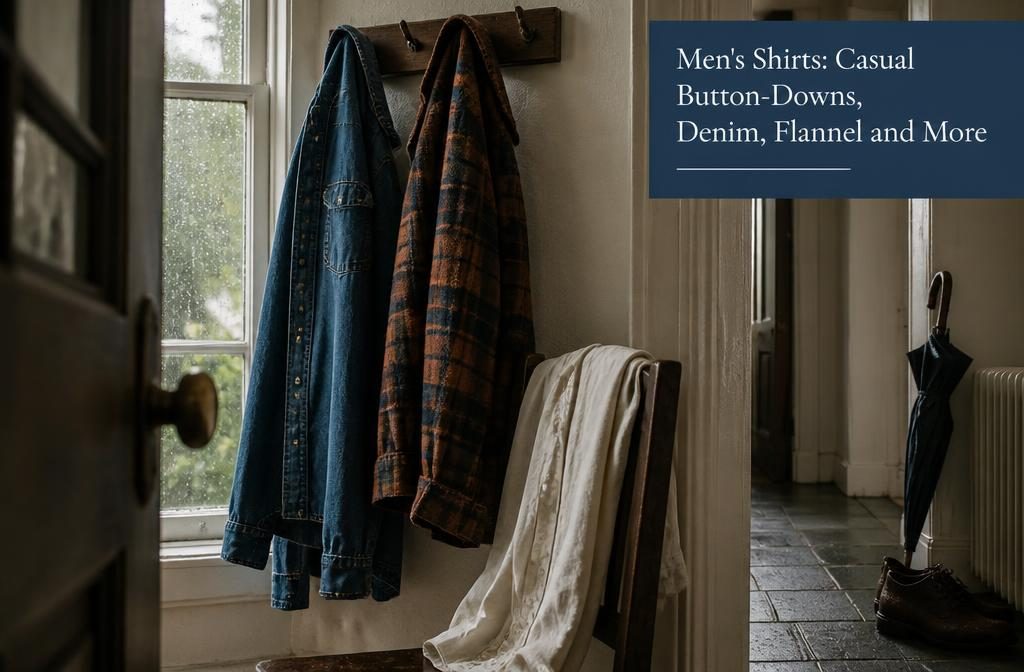
A shirt for men ranges from a thick Oxford button-down to a flannel layer, and the right one depends on weather: denim and flannel run heavier and stiffer than cotton or linen, so skip them in heat.
For cool mornings that warm up, an unlined overshirt like the $40.00 Boxy Overshirt, shown at $24.00, peels off easily indoors.
Casual Button-Downs
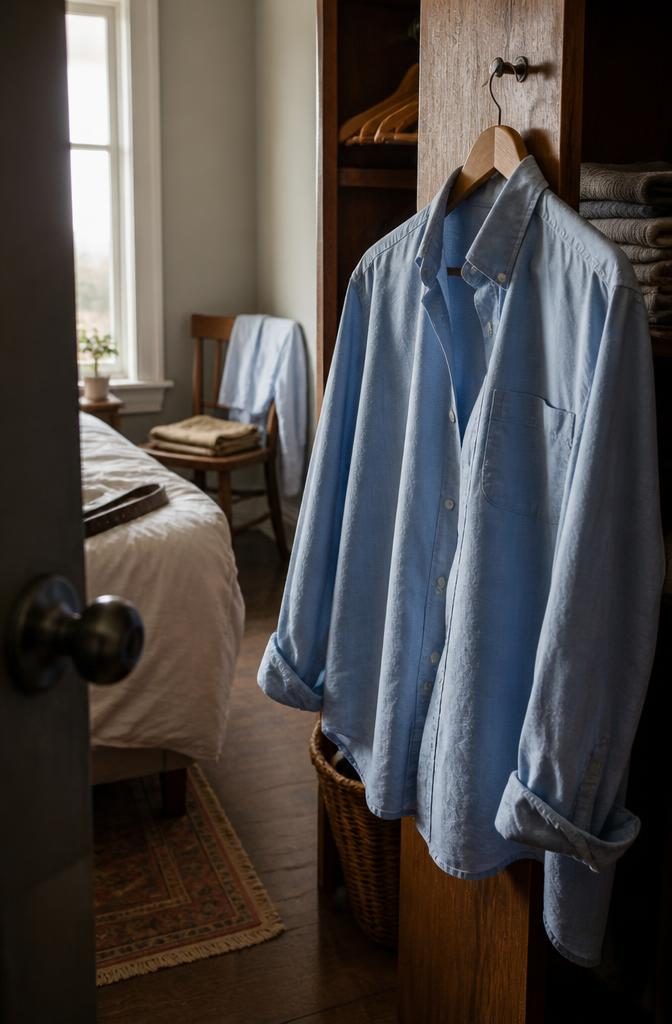
Oxford is the fabric I’d buy first. Its basket-weave cloth is thicker than poplin, holds up to repeated washing, and looks better as it softens, which suits a shirt you’ll wear weekly.
A slim-fit Oxford at $80.00, shown at $32.00, is the kind of price where you can own two.
Softwash cotton shirts, a slim fit at $75.00 shown at $22.50 and a standard fit at $75.00 shown at $30.00, wrinkle less and need no ironing. Poplin is smoother and sharper, like AllSaints’ Stave Slim-Fit at $239, now $167.30, but it costs more and creases faster.
Any of these works with a tie and tailored pants, or open at the collar over chinos.
Denim Shirts
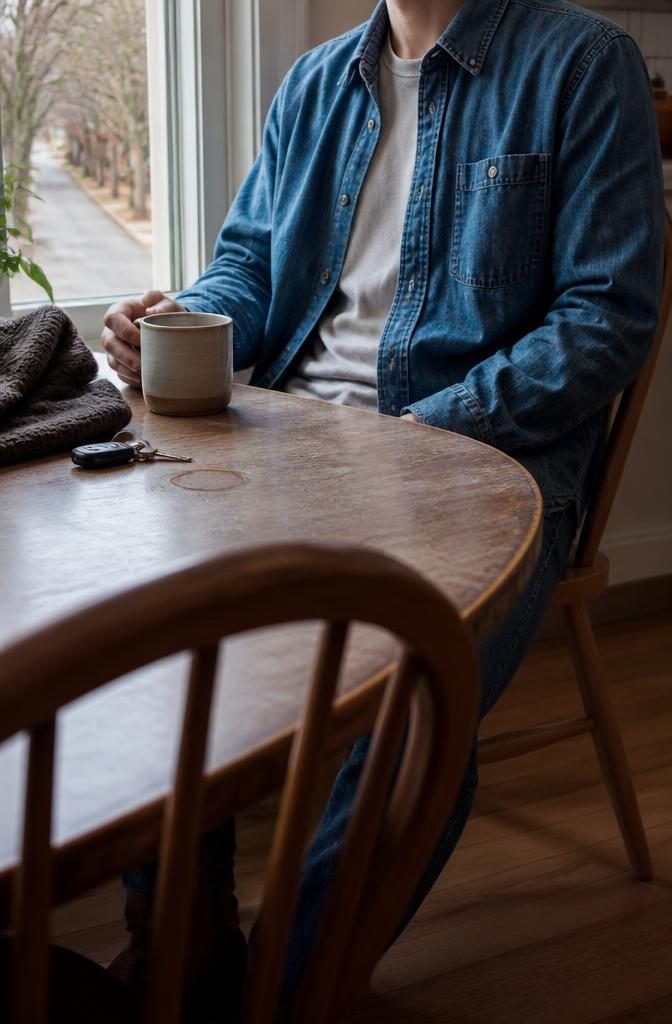
Denim does two jobs: it works as a shirt on its own and as a light jacket over a tee or long-sleeve, which makes it the most useful layer for cool mornings that warm up by afternoon.
Leave it open over a plain tee with straight jeans, or button it up and let the collar do the work.
The standard-fit denim heritage shirt is listed at $85.00 but currently shows $34.00, and the Denim Long Sleeve Worker Shirt runs $69.99, shown at $41.99.
I’d pick the heritage cut for layering. Expect more weight and stiffness than cotton or linen, so skip denim in heat.
Flannel Shirts

Flannel comes in two weights, and picking the right one matters more than picking a color.
The slim-fit lightweight version, listed at $80.00 but shown at $30.00, is soft and warm without bulk. I’d treat it as a layer: it handles cooler mornings and overcooled offices, and it fits under a jacket without pulling at the shoulders.
The standard-fit heavyweight, $95.00 shown at $35.00, is the one for real cold.
It’s roomier on purpose, so it can sit over a tee or a thin knit. If you only buy one, choose the lightweight, since it works across more of the year.
Overshirts and Shirt Jackets
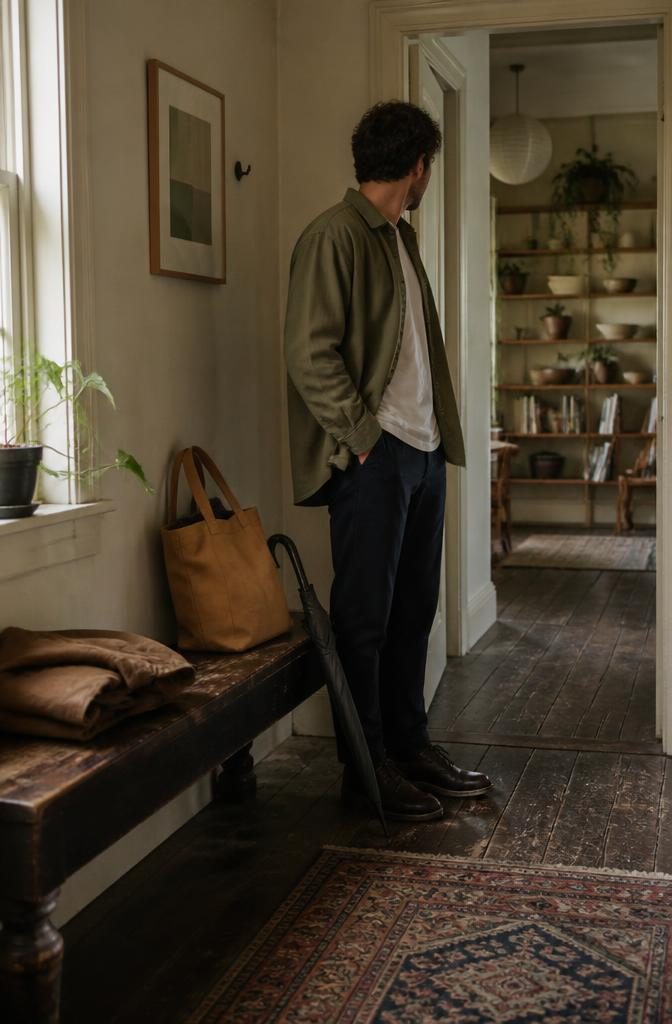
An overshirt is a shirt cut roomy enough to sit over a tee or a long-sleeve, and it does the job of a light jacket without the structure.
For in-between weather, the relaxed-fit tailored overshirt ($120.00, shown at $36.00) and the Boxy Overshirt ($40.00, shown at $24.00) are the ones I’d reach for. Unlined versions are the right call for 50–65°F days, because you can peel them off indoors without feeling bundled.
Winter belongs to the heavier two: the sherpa-lined shirt jacket ($150.00, shown at $60.00) and the plaid brushed shirt jacket ($160.00, shown at $64.00).
I’d pick the sherpa-lined one for the coldest stretches, and the brushed plaid when you want warmth that still reads like a shirt.
Polo Shirts
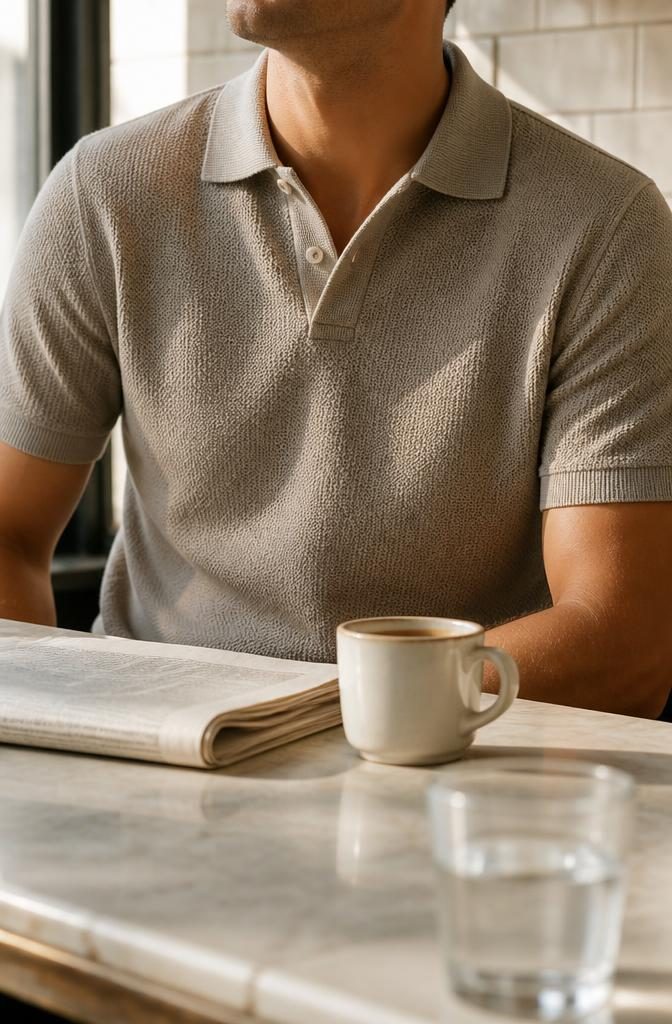
A polo sits one step above a tee and one step below a button-down: it has a collar and a placket, so it reads as dressed, but the knit body keeps it as easy as a tee.
Cotton On lists three worth comparing.
The Box Fit Rugby Polo is $35.99 (marked down from $59.99), and the Knitted Polo is just $15.00 (marked down from $25.00). At the top end, the AllSaints Reform Short-Sleeve Polo is $83.30, down from $119.
For everyday wear, the $15 Knitted Polo is the one I’d buy first. The rugby cut earns its price only if you want a boxier shape; AllSaints is the pick for something sharper.
Printed and Patterned Shirts
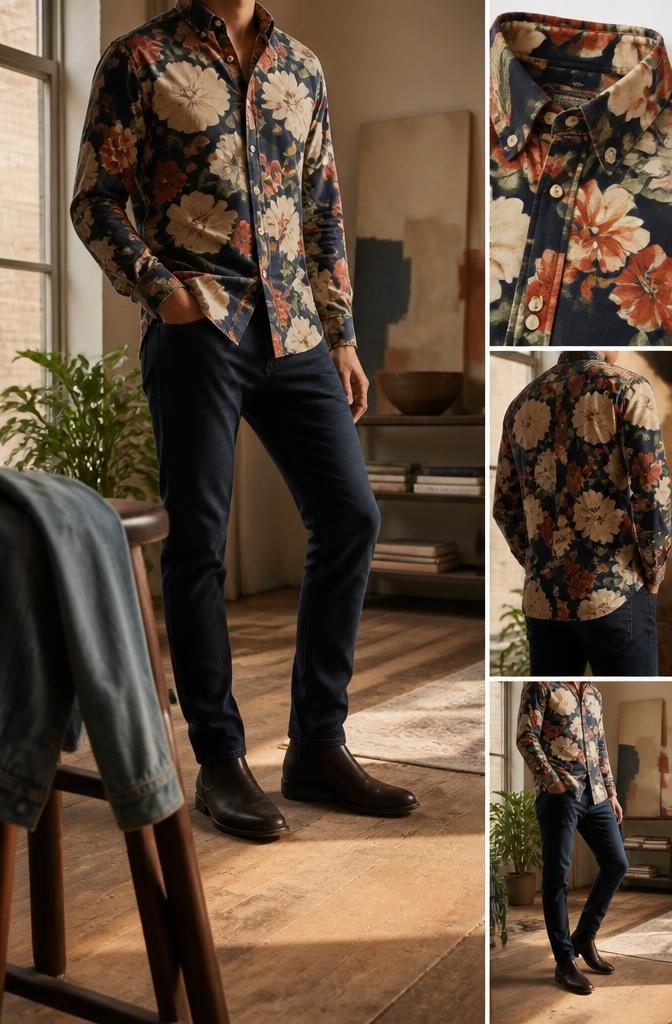
Stripes and checks are the safest way into pattern, and the easiest to repeat across a wardrobe. Clean stripes and minimal graphics read as quiet, while florals and leopard are the loud end of the range.
AllSaints sells both, and the Ramskull embroidery is the sort of detail that turns a shirt into the centerpiece of an outfit.
When the print is bold, keep everything else plain: slim jeans, sneakers or boots, maybe a leather jacket in a solid color.
I’d pick one loud element per outfit and mix textures, like flannel against denim, rather than patterns against patterns.
Linen and Linen-Blend Shirts
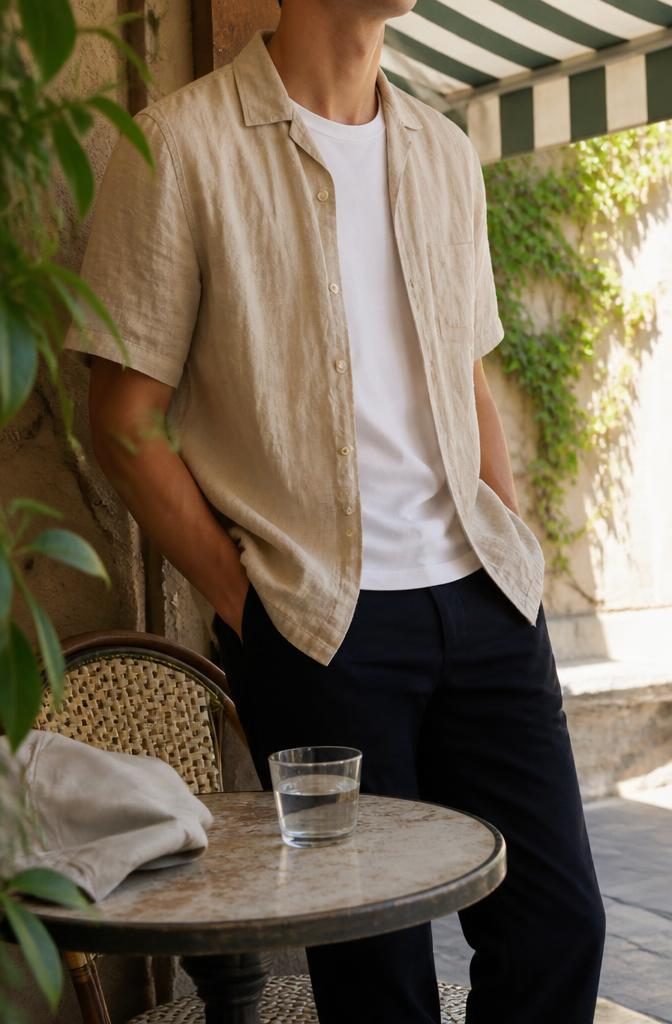
Linen wins on heat for a simple reason: breathable beats sweaty. The slim-fit linen-blend herringbone shirt ($80.00, shown at $32.00) gives you texture without the full linen look, while the standard-fit linen-blend shirt ($75.00, shown at $30.97) is the roomier pick for hot days.
For the warmest weather, go short-sleeve, in a resort or camp collar. Wear it open over a tee, or buttoned with a couple undone at the collar.
Linen wrinkles, and no blend fully cures it. I’d take that deal in summer, since a steamer smooths most creases and a slightly rumpled shirt suits the look.
Corduroy Shirts

Corduroy is the shirt fabric that does the work of a light jacket. The pile adds weight and a little structure, so it holds a collar and a front placket better than chambray or poplin once temperatures drop.
The slim-fit fine wale corduroy shirt is the one I’d start with, listed at $80.00 and shown at $24.00. Fine wale means narrow, closely spaced ribs, which read almost as a texture rather than a stripe and sit flat under a sweater.
A heavier cord has wider ribs, a bulkier hand, and looks more rugged. For desk days, fine wale wins.
Choosing the Right Fit
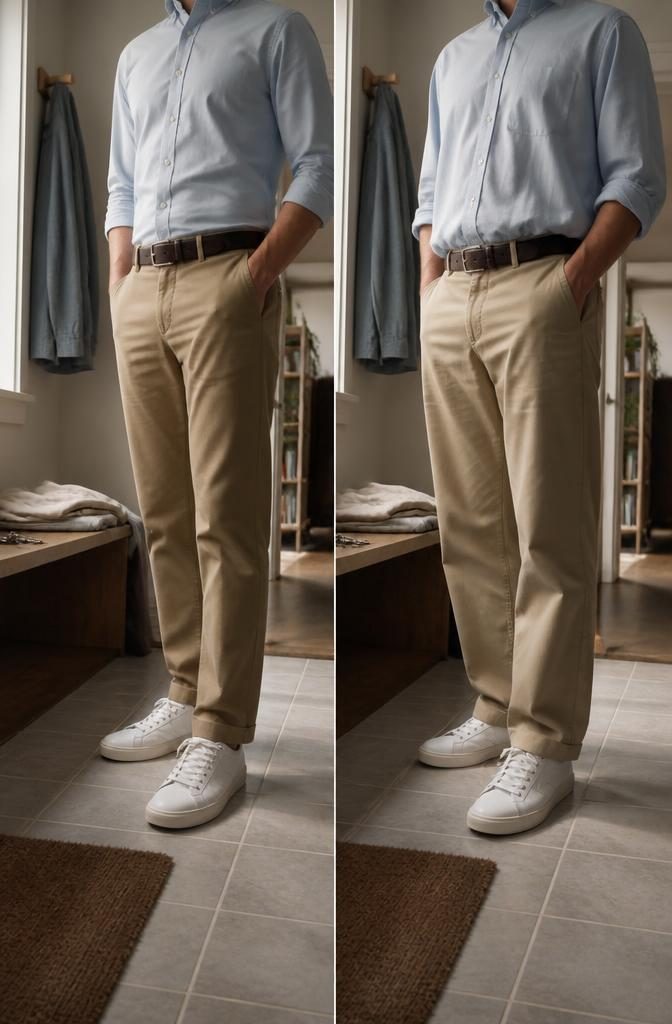
Fit decides how every other piece in the outfit has to behave, so settle it before you pick a fabric or a print.
Slim and regular cuts give the cleaner profile: regular fit tucked into chinos with a belt and white sneakers is the low-effort sharp look.
Relaxed and oversized read modern and easy, and they work best worn open over a heavyweight tee with straight-leg jeans.
I’d choose relaxed for weekends and regular for anything near an office. Sizing up for a boxy shape is fine, but the shoulders should still sit close enough that the shirt doesn’t slide around.
Ways to Wear a Shirt
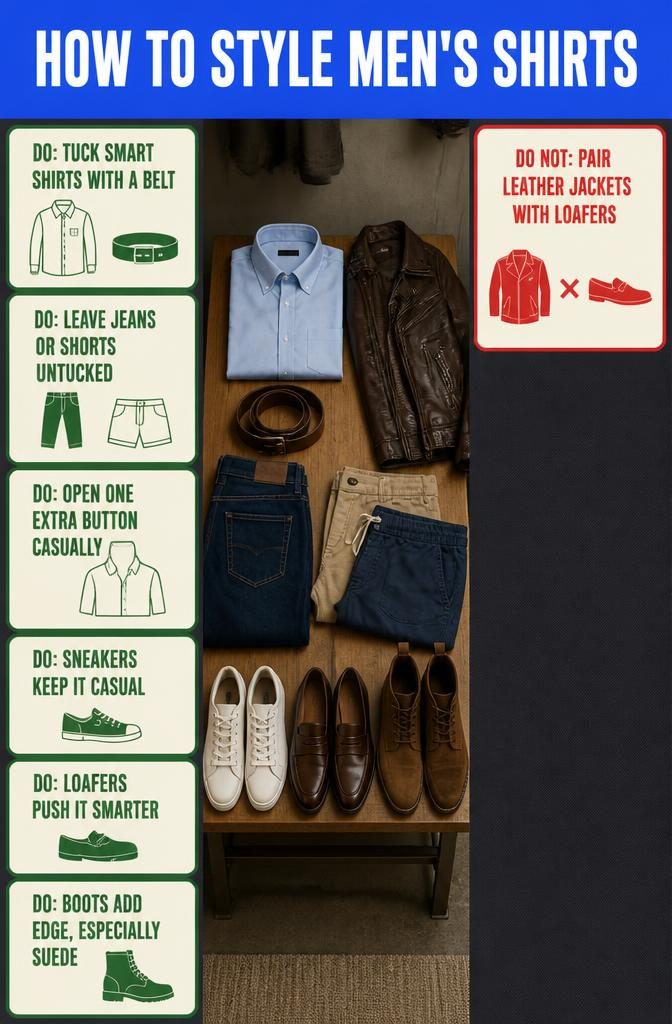
A button-down with a tie and tailored pants is the smartest version of the shirt; swap the tie for casual pants and it relaxes without falling apart.
For weekends, chinos, slim-fit jeans or shorts all work, and an open shirt over a plain tee adds a layer without bulk.
The decision I’d settle first is tuck or untuck.
Tuck it with a belt for anything smart, leave it out with jeans or shorts. Unbutton one more button than feels natural when it’s untucked.
Shoes finish the look.
Sneakers keep it casual, loafers push it smarter, and boots add edge, especially suede. A leather jacket on top works with sneakers or boots, and I’d skip loafers there.
Shirts by Season
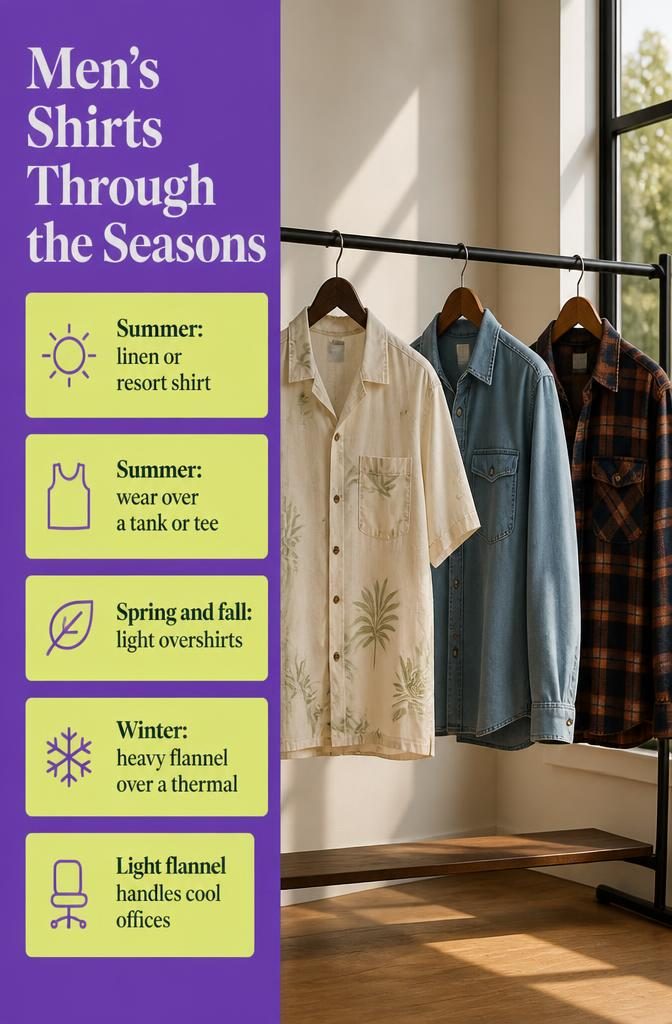
Summer is a short-sleeve resort shirt or a linen top, worn open over a tank or buttoned with a couple of buttons undone. Spring and fall belong to overshirts and lightweight denim, which work like jackets without the bulk.
Winter calls for heavier flannels, cord shirts or lined overshirts over a thermal. A lightweight flannel is the one I’d buy first: it handles cool mornings and an office with the AC on full blast.
| Season | Shirt | Wear it with |
|---|---|---|
| Summer | Short-sleeve resort, linen | Tank or light tee |
| In-between | Overshirt, lightweight denim | Tee or long-sleeve |
| Winter | Heavy flannel, cord, lined overshirt | Thermal, under a coat |
Fabrics and Care
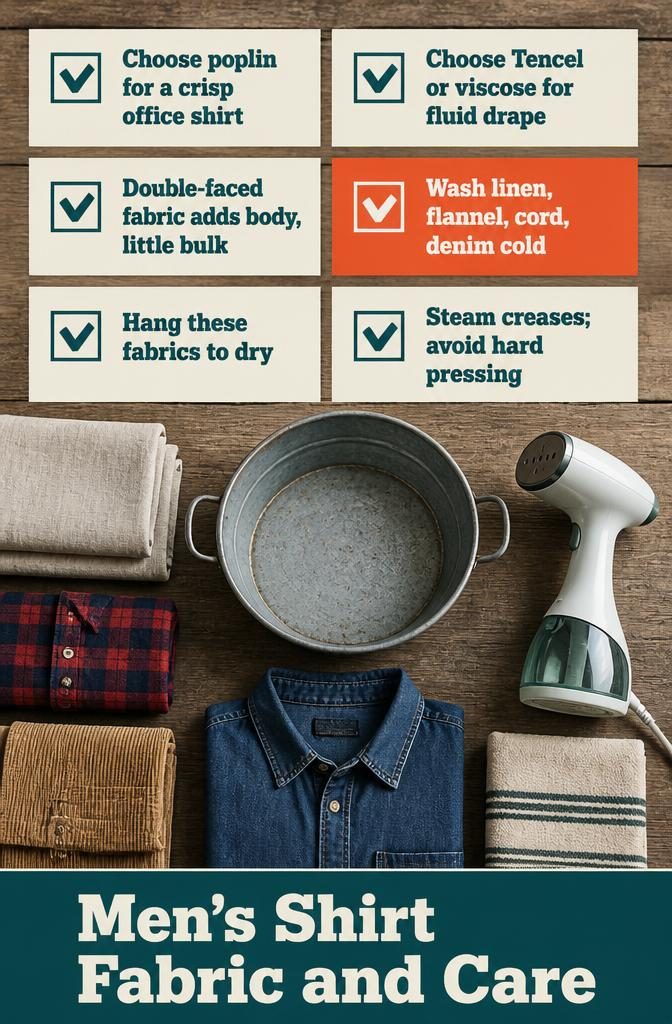
Lightweight Tencel and viscose fall in a fluid line, while cotton-poplin holds a crisper, more structured shape.
For an office shirt that stays sharp through a long day, poplin wins; for a loose shirt worn open over a tee, Tencel or viscose moves better. Double-faced construction, where two layers are joined, adds body without much bulk.
Linen, flannel, cord and denim all want the same gentle treatment: wash cold and hang to dry.
Heat is what shrinks them and dulls the finish. Steam out creases instead of pressing hard, especially on linen, which wrinkles no matter what you do.
Frequently Asked Questions
What shirt for men is trending right now?
Relaxed fits lead, along with camp-collar resort shirts, linen blends, checks and stripes.
Textured fabrics like flannel, cord and denim are also back, and Oxfords and poplin shirts in easier cuts cover smart-casual. Overshirts are popular for layering because they add structure over a tee with no effort.
How do you style a shirt for men?
Start with the fit, then match the bottoms and shoes to it.
Regular fit tucked into chinos with a belt and white sneakers is the easy sharp look, while a relaxed shirt worn open over a heavyweight tee suits straight-leg jeans.
Tuck it with a belt for anything smart, leave it out with jeans or shorts, and keep everything else plain when the print is bold.
How do you wear a shirt for men all year round?
Change the fabric with the season. Summer calls for short-sleeve resort shirts or linen, worn open over a tank or buttoned with a couple of buttons undone.
In between, overshirts and lightweight denim work like jackets without the bulk, and winter needs heavier flannels, cord shirts or lined overshirts over a thermal. If you buy only one, a lightweight flannel handles the widest stretch of the year.